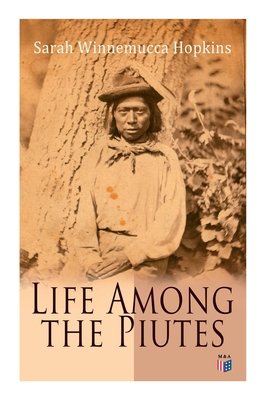
Life Among the Piutes
In “Life Among the Piutes,” Sarah Winnemucca Hopkins presents a poignant and detailed autobiographical account of her experiences as a Northern Paiute woman.
Through a series of vignettes, she weaves together narratives that highlight the cultural practices, challenges, and resilience of her community in the face of encroaching settler colonialism.
Written in a compelling narrative style that blends personal reflection with broader socio-political commentary, the book stands as an important work within the context of 19th-century American literature and Indian autobiographies, evidencing both connections and tensions between Indigenous and Euro-American cultures.
Winnemucca’s eloquent prose is complemented by her passionate advocacy for Native rights, as she sheds light on the injustices suffered by her people, enriching the text with both emotional depth and historical gravitas.
Sarah Winnemucca Hopkins, a descendant of the Paiute tribe, was one of the first Native American women to publish a book in the United States.
Her personal experiences, along with her role as a mediator and educator throughout her life, endowed her with unique insights into the cultural disintegration caused by colonization.
Inspired by her desire to bridge gaps between Native and non-Native peoples, her advocacy work influenced her writing, allowing her to provide a firsthand account that is both intimate and incisive.
This book is essential for anyone seeking to comprehend the complexities of Indigenous identities and the impact of colonialism.
Winnemucca’s compelling narrative not only serves as an historical document but also as a timeless reminder of the strength and perseverance of Native cultures.
“Life Among the Piutes” offers readers an invaluable perspective on American history and is a must-read for scholars, students, and anyone interested in the intersections of race, culture, and identity.