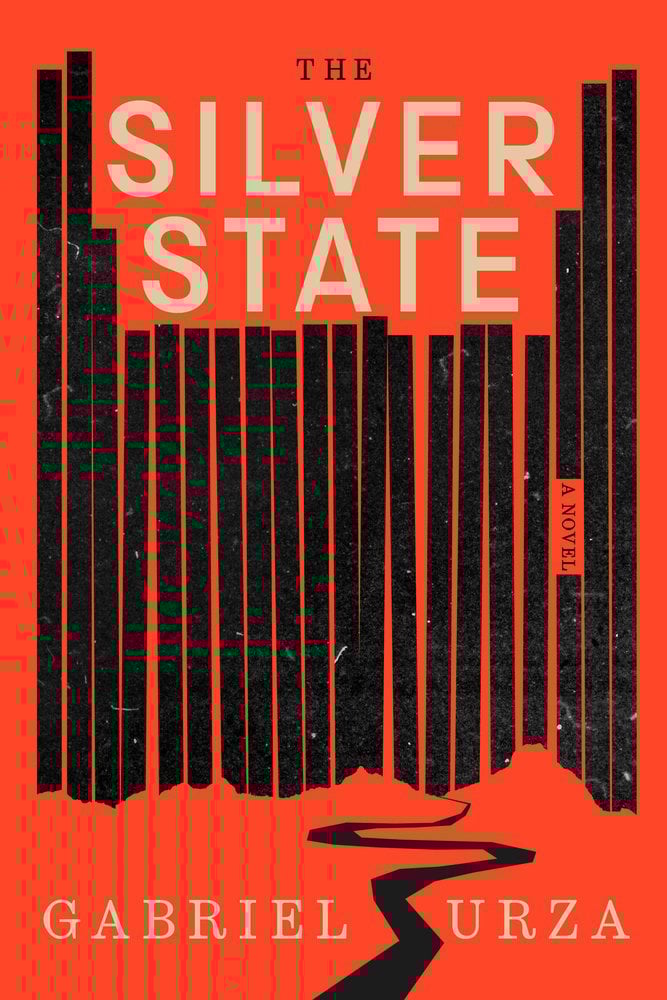
The Silver State
On the Trail of the Jackalope

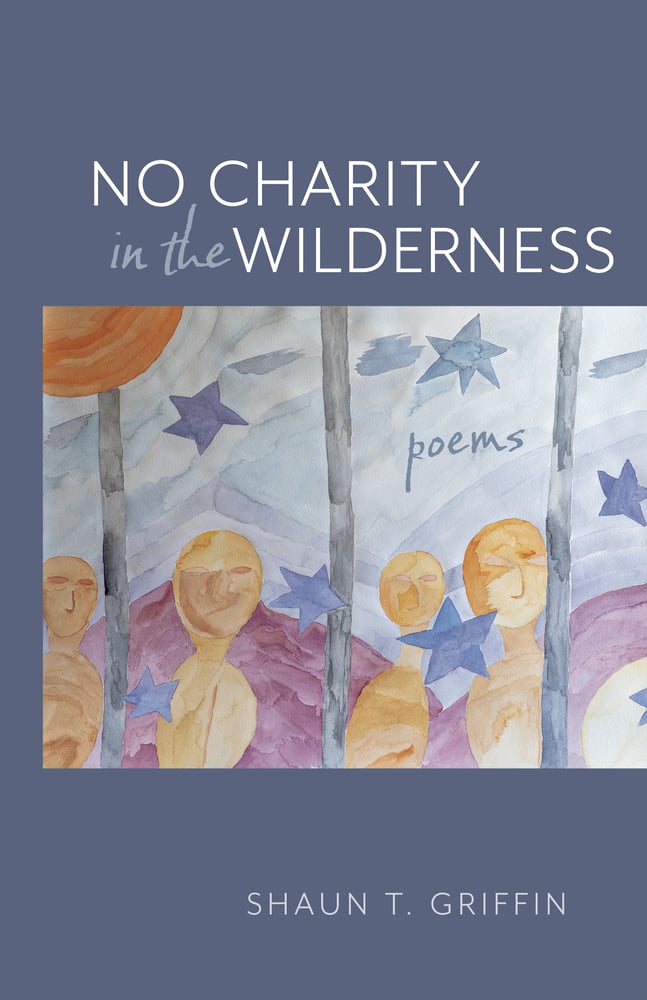
No Charity in the Wilderness

No Charity in the Wilderness is a long journey into the new American West. From the southern border to the isolating two-lane highways in the desert, this collection is a prayer of reconciliation with so much that troubles us–those who live without resources or voices–and their possible future in this ever-changing landscape of desire.

Griffin has spent many decades in the high desert trying to find the way forward–when what he knows has been challenged and still there is breath on the horizon. One day an ancient Chinese poet comes to visit: “Snow deepens/ to quiet what I once believed, and Wang Wei stoops from the spine: / this is how you become silence.” Even if you doubt the old poet’s counsel, like Griffin, you want to journey with him into the wilderness.
More Non-Juvenile Books

  • Riley's poetry captures the essence of rural American life in the late 19th and early 20th centuries, and his works continue to be studied and recited to this day.
  • “Back then, when I was a young woman, there were still witches”: That was how Nana Alba always began the stories she told her great-granddaughter Minerva—stories that have stayed with Minerva all her life. Perhaps that’s why Minerva has become a graduate student focused on the history of horror literature and is researching the life of Beatrice Tremblay, an obscure author of macabre tales. In the course of assembling her thesis, Minerva uncovers information that reveals that Tremblay’s most famous novel, The Vanishing, was inspired by a true story: Decades earlier, during the Great Depression, Tremblay attended the same university where [...]
  • In this affecting narrative, a defining masterpiece by the "dean of Western writers" (The New York Times), Wallace Stegner portrays more than three decades in the life of the Mason family as they struggle to survive during the lean years of the early twentieth century.
  • The Blacker the Berry (1929), Wallace Thurman’s debut novel, broke new ground as an exploration of issues of “colorism,” intra-racial prejudice, and internalized racism in African American life.