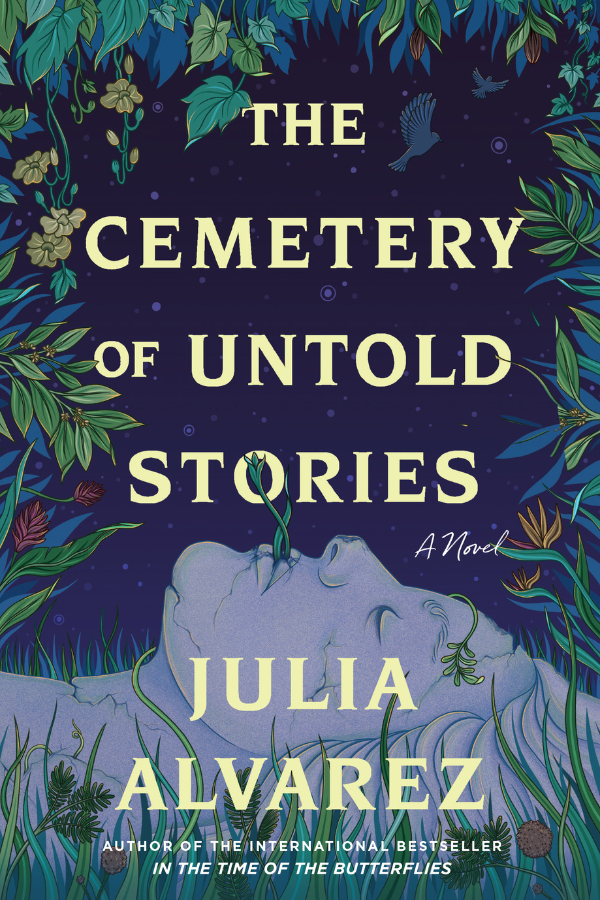
The Cemetery of Untold Stories by Julia AlvarezThe Cemetery of Untold Stories
Poverty, by America

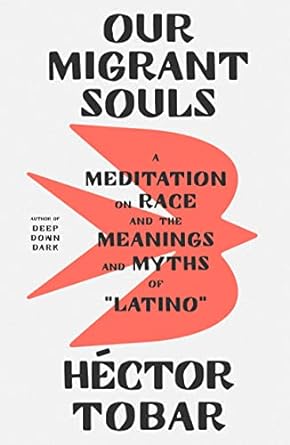
Our Migrant Souls

In Our Migrant Souls, the Pulitzer Prize–winning writer Héctor Tobar delivers a definitive and personal exploration of what it means to be Latino in the United States right now.

“Latino” is the most open-ended and loosely defined of the major race categories in the United States, and also one of the most rapidly growing. Composed as a direct address to the young people who identify or have been classified as “Latino,” Our Migrant Souls is the first account of the historical and social forces that define Latino identity.

Taking on the impacts of colonialism, public policy, immigration, media, and pop culture, Our Migrant Souls decodes the meaning of “Latino” as a racial and ethnic identity in the modern United States, and gives voice to the anger and the hopes of young Latino people who have seen Latinidad transformed into hateful tropes and who have faced insult and division―a story as old as this country itself.
More Non-Juvenile Books

  • Riley's poetry captures the essence of rural American life in the late 19th and early 20th centuries, and his works continue to be studied and recited to this day.
  • “Back then, when I was a young woman, there were still witches”: That was how Nana Alba always began the stories she told her great-granddaughter Minerva—stories that have stayed with Minerva all her life. Perhaps that’s why Minerva has become a graduate student focused on the history of horror literature and is researching the life of Beatrice Tremblay, an obscure author of macabre tales. In the course of assembling her thesis, Minerva uncovers information that reveals that Tremblay’s most famous novel, The Vanishing, was inspired by a true story: Decades earlier, during the Great Depression, Tremblay attended the same university where [...]
  • In this affecting narrative, a defining masterpiece by the "dean of Western writers" (The New York Times), Wallace Stegner portrays more than three decades in the life of the Mason family as they struggle to survive during the lean years of the early twentieth century.
  • The Blacker the Berry (1929), Wallace Thurman’s debut novel, broke new ground as an exploration of issues of “colorism,” intra-racial prejudice, and internalized racism in African American life.