
Good Night Thoughts
All Creatures Great & Small

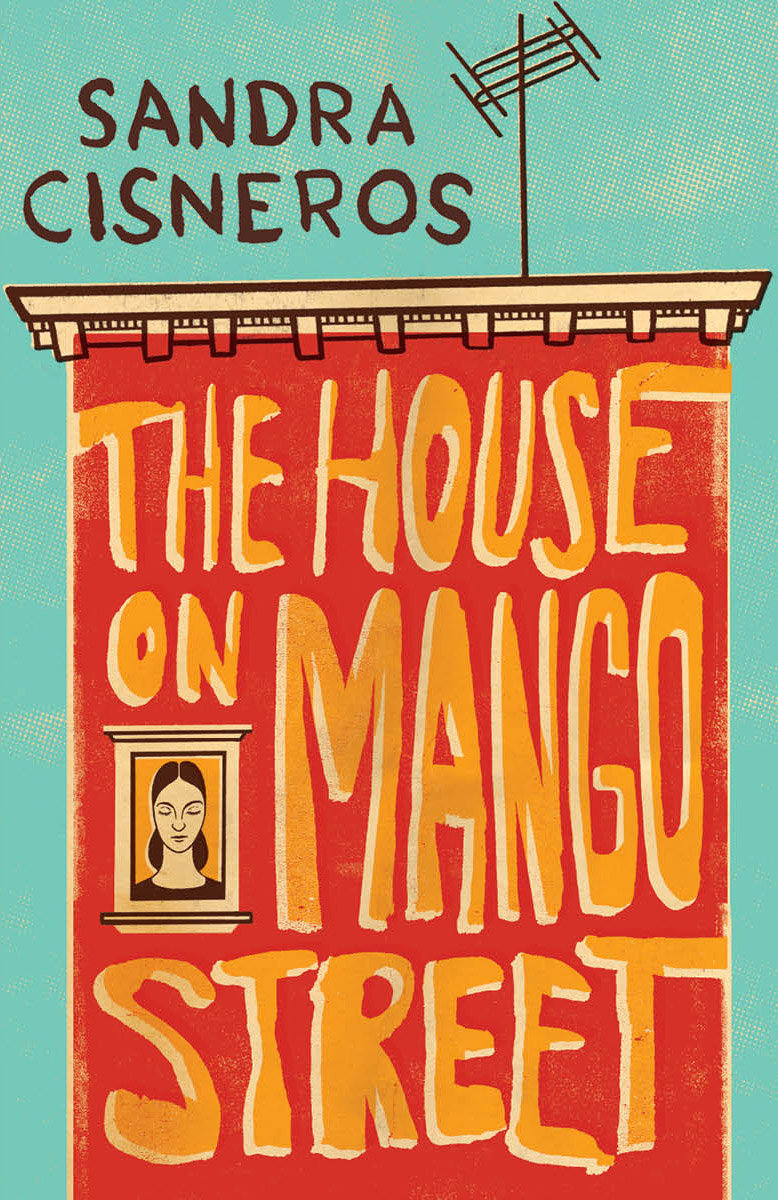
The House on Mango Street

The House on Mango Street is one of the most cherished novels of the last fifty years. Readers from all walks of life have fallen for the voice of Esperanza Cordero, growing up in Chicago and inventing for herself who and what she will become. “In English my name means hope,” she says. “In Spanish it means too many letters. It means sadness, it means waiting.”

Told in a series of vignettes—sometimes heartbreaking, sometimes joyous—Cisneros’s masterpiece is a classic story of childhood and self-discovery and one of the greatest neighborhood novels of all time. Like Sinclair Lewis’s Main Street or Toni Morrison’s Sula, it makes a world through people and their voices, and it does so in language that is poetic and direct. This gorgeous coming-of-age novel is a celebration of the power of telling one’s story and of being proud of where you’re from.

More Non-Juvenile Books

  • Night Flyer by Tiya Miles offers a profound exploration of Harriet Tubman's life, challenging the mythic status often ascribed to her. Through tender storytelling and imaginative insight, Miles intricately weaves Tubman’s journey into the ecological and spiritual landscapes surrounding her, revealing a complex human being whose mysticism resonates deeply with contemporary struggles for justice and freedom.
  • Eskimo and white culture collide in this national bestselling novel of life in the contemporary Alaskan wilderness.
  • In Our Migrant Souls, Pulitzer Prize–winning author HĂ©ctor Tobar offers a profound exploration of Latino identity in contemporary America. He addresses the historical and social forces shaping this identity while giving voice to the frustrations and aspirations of young Latinos, who have navigated a landscape marked by division and misunderstanding.
  • In Poverty, by America, Matthew Desmond explores the paradox of poverty in one of the wealthiest nations, revealing how affluent Americans contribute to the plight of the poor while benefiting from systemic inequalities. Through a blend of historical analysis and original reporting, Desmond argues for a collective effort to address poverty and envisions a future where shared prosperity and true freedom are attainable for all.