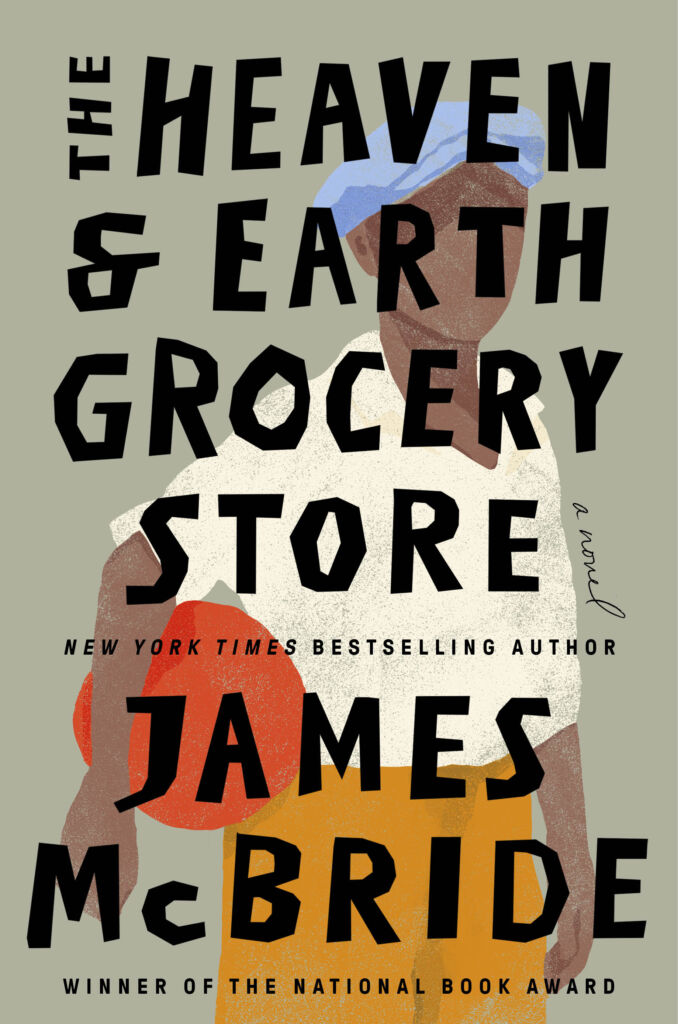
The Heaven & Earth Grocery Store
Music and Mind

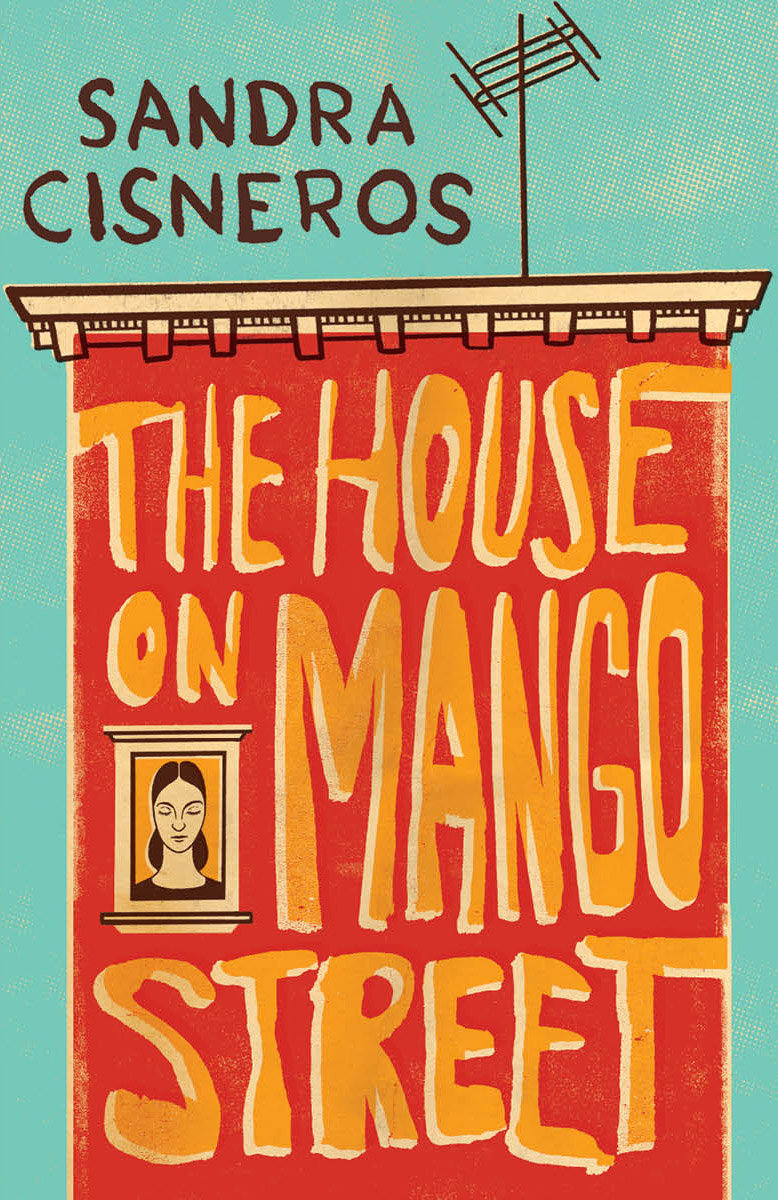
The House on Mango Street

The House on Mango Street is one of the most cherished novels of the last fifty years. Readers from all walks of life have fallen for the voice of Esperanza Cordero, growing up in Chicago and inventing for herself who and what she will become. “In English my name means hope,” she says. “In Spanish it means too many letters. It means sadness, it means waiting.”

Told in a series of vignettes—sometimes heartbreaking, sometimes joyous—Cisneros’s masterpiece is a classic story of childhood and self-discovery and one of the greatest neighborhood novels of all time. Like Sinclair Lewis’s Main Street or Toni Morrison’s Sula, it makes a world through people and their voices, and it does so in language that is poetic and direct. This gorgeous coming-of-age novel is a celebration of the power of telling one’s story and of being proud of where you’re from.
More Non-Juvenile Books

  • Edward Curtis was charismatic, handsome, a passionate mountaineer, and a famous portrait photographer, the Annie Leibovitz of his time. He moved in rarefied circles, a friend to presidents, vaudeville stars, leading thinkers. But when he was thirty-two years old, in 1900, he gave it all up to pursue his Great Idea: to capture on film the original inhabitants before the old ways disappeared.
  • Centering on the infamous World War II firebombing of Dresden, the novel is the result of what Kurt Vonnegut described as a twenty-three-year struggle to write a book about what he had witnessed as an American prisoner of war.
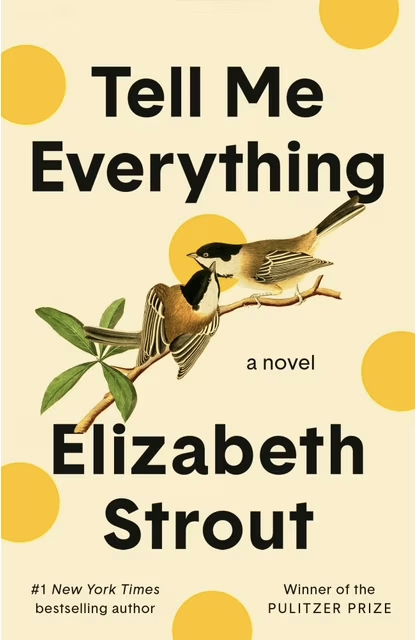
  • In Tell Me Everything, Pulitzer Prize-winning author Elizabeth Strout returns to Crosby, Maine, exploring the complexities of new friendships and old loves amidst a shocking murder investigation. As characters navigate their intertwined lives, they grapple with profound questions about the meaning of existence, highlighting the enduring power of relationships and love in its many forms.
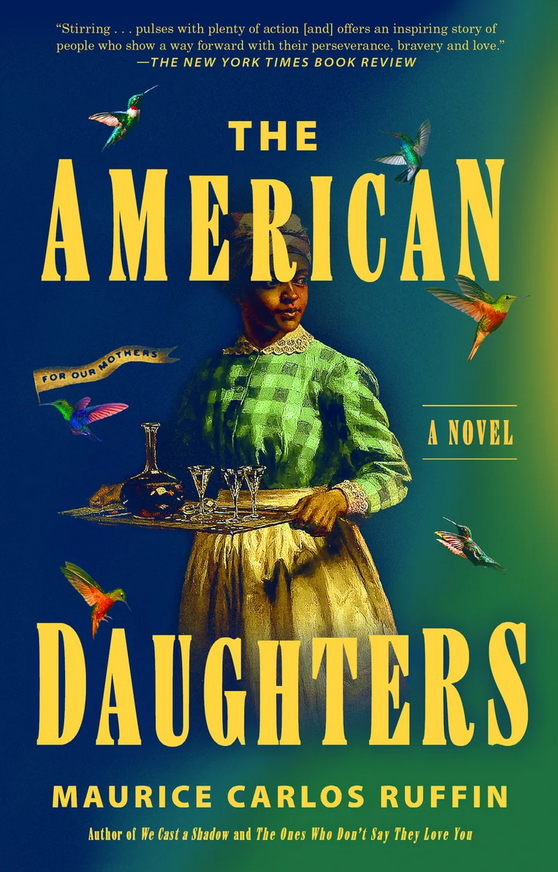
  • “An enthralling tale of a secret resistance movement run by Black women in pre-Civil War New Orleans.”—Time