
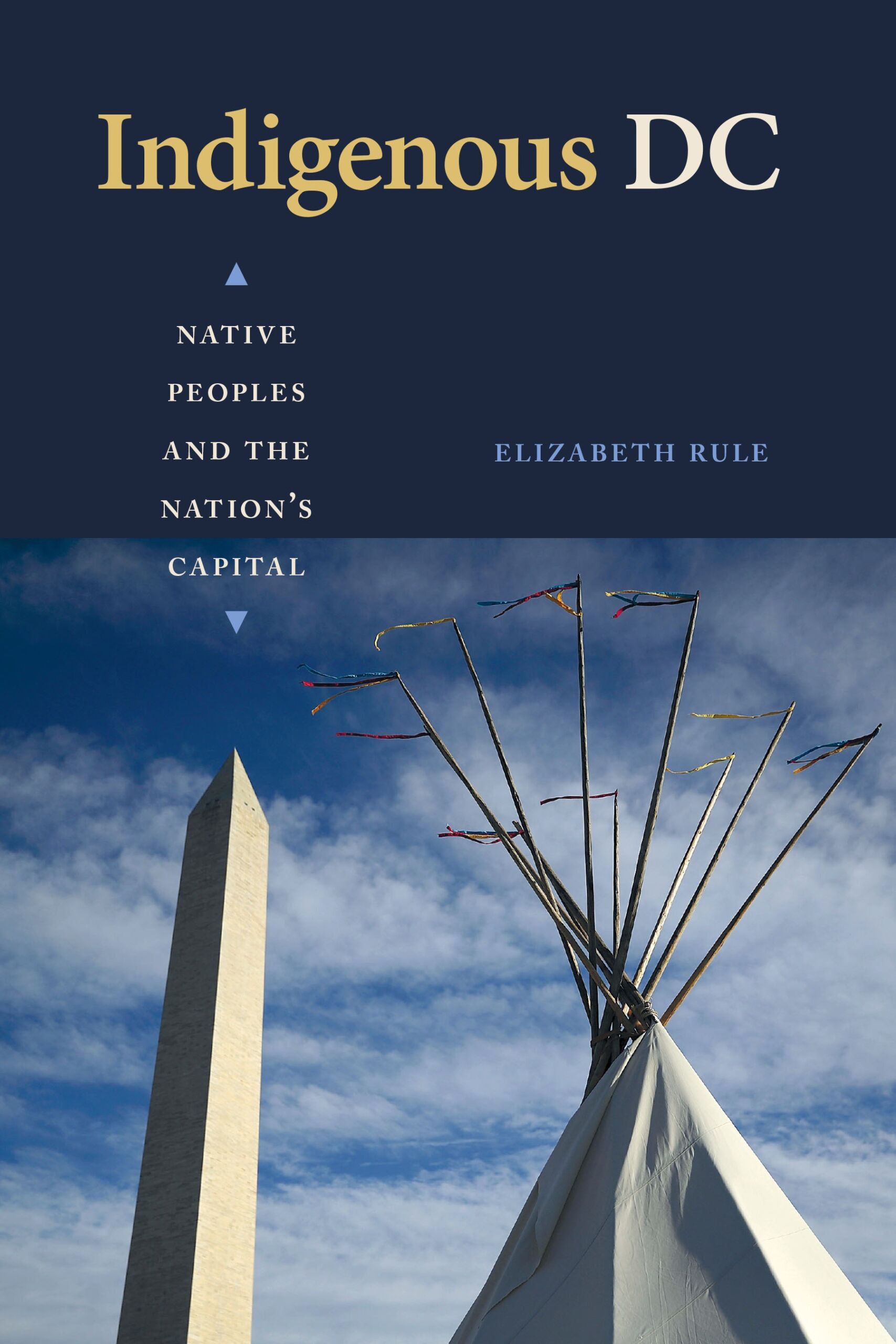
Indigenous DC: Native Peoples and the Nation’s Capital
Megan Elias2026-10-29T14:10:35-04:00Washington, DC, is Indian land, but Indigenous peoples are often left out of the national narrative. To redress this myth of invisibility, Indigenous DC by Elizabeth Rule shines a light upon the contributions of Indigenous tribal leaders and politicians, artists and activists to the rich history of the District of Columbia.…
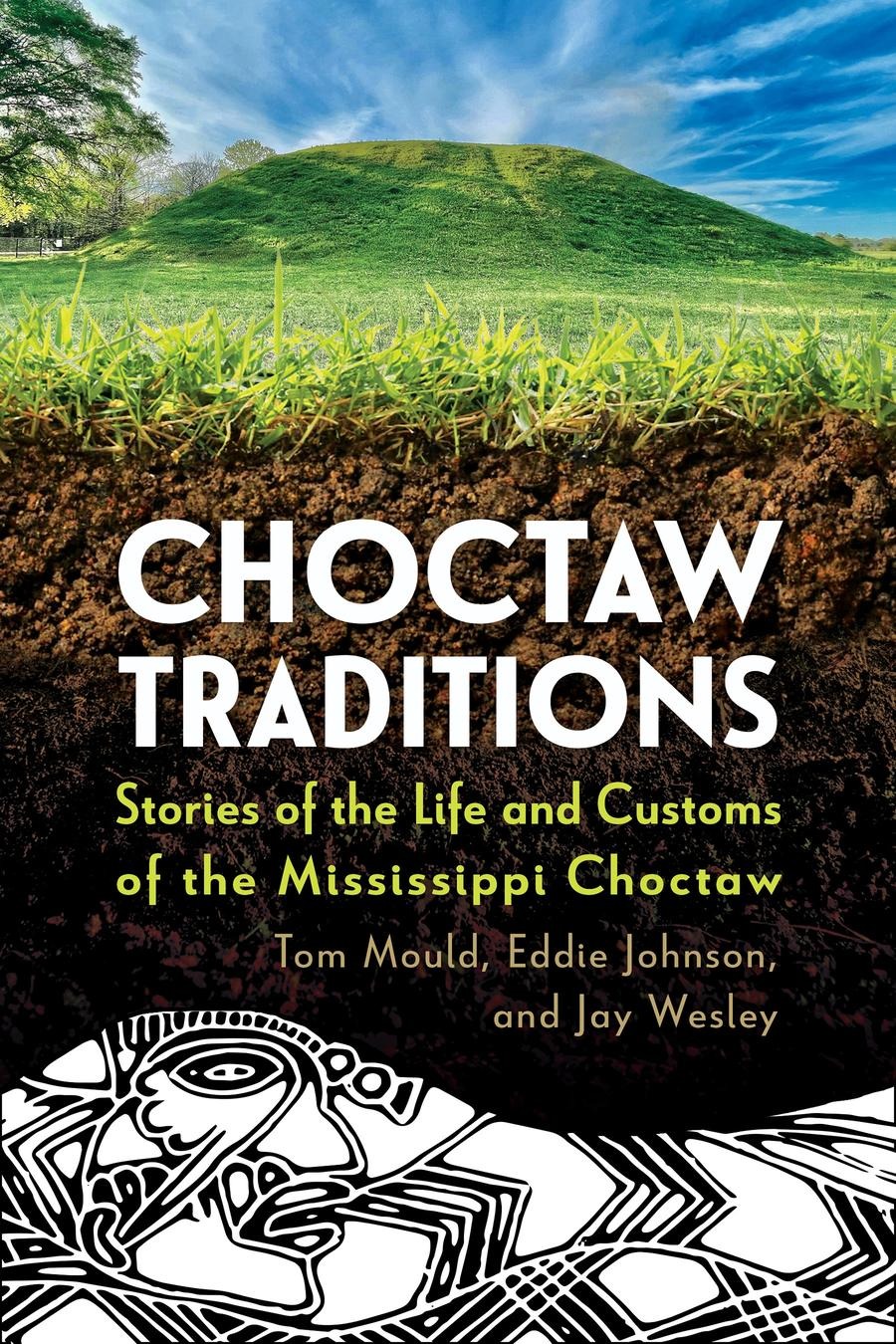
Choctaw Traditions: Stories of the Life and Customs of the Mississippi Choctaw
Megan Elias2026-10-29T14:10:35-04:00There are thousands of books that record the oral traditions of Native peoples, documenting their myths, legends, folktales, and tribal histories. Yet, there are almost none that pay the same attention to the oral traditions that make up the other 95 percent of Native American storytelling: the personal, familial, humble stories that convey the depth of cultural knowledge, traditional practices, and lived experience of Native peoples today.…
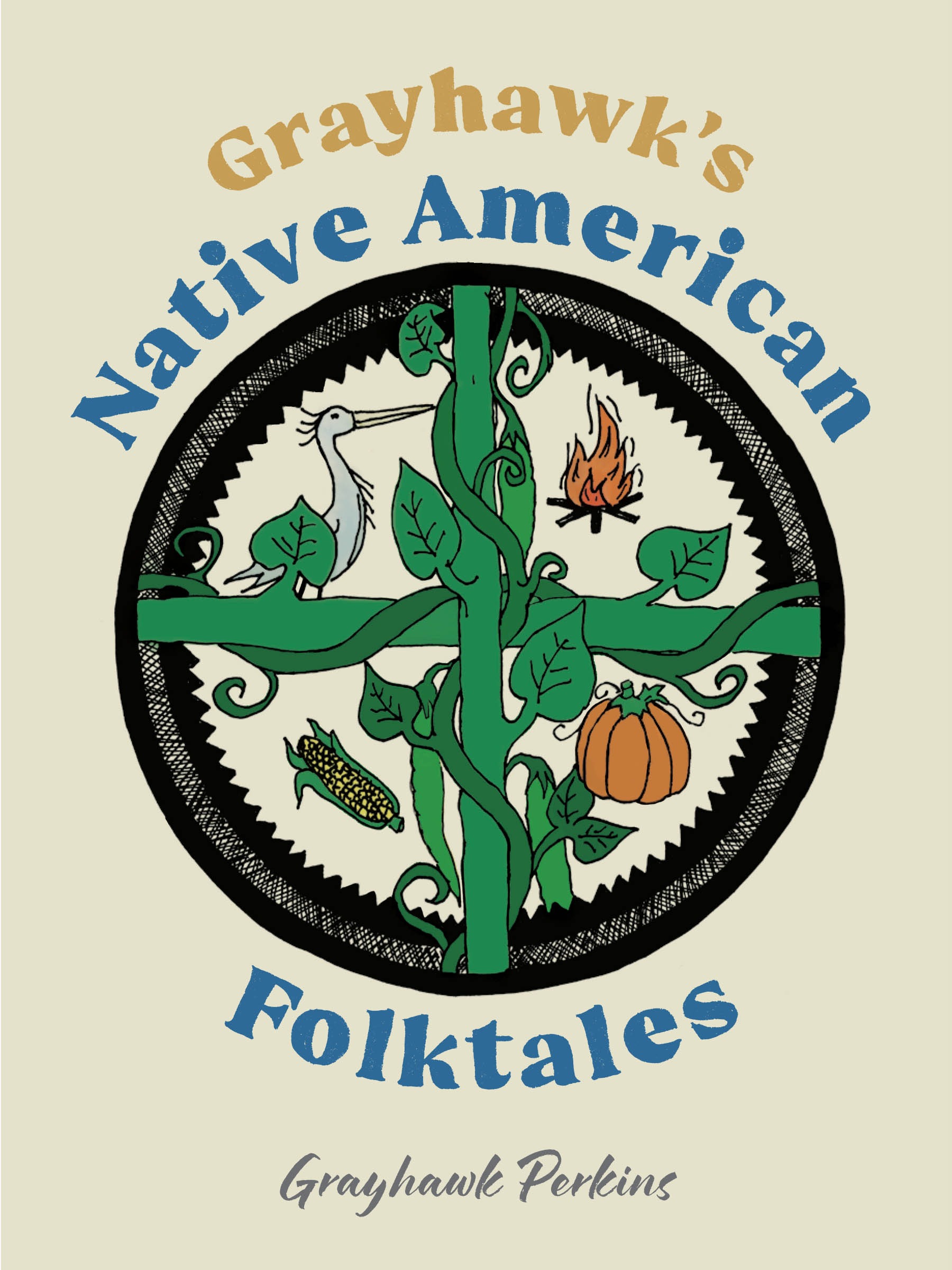
Grayhawk’s Native American Folktales
Megan Elias2026-10-29T14:10:35-04:00Grayhawk’s Native American Folktales is the eagerly awaited collection of stories by Grayhawk Perkins, a noted Houma storyteller from Louisiana. Drawing on traditional Indigenous tales, Grayhawk transforms these narratives into stories that captivate contemporary readers and audiences.
The collection features universal animal characters such as Deer, Rabbit, Bobcat, Turtle, and Snake that embody a variety of traits.…
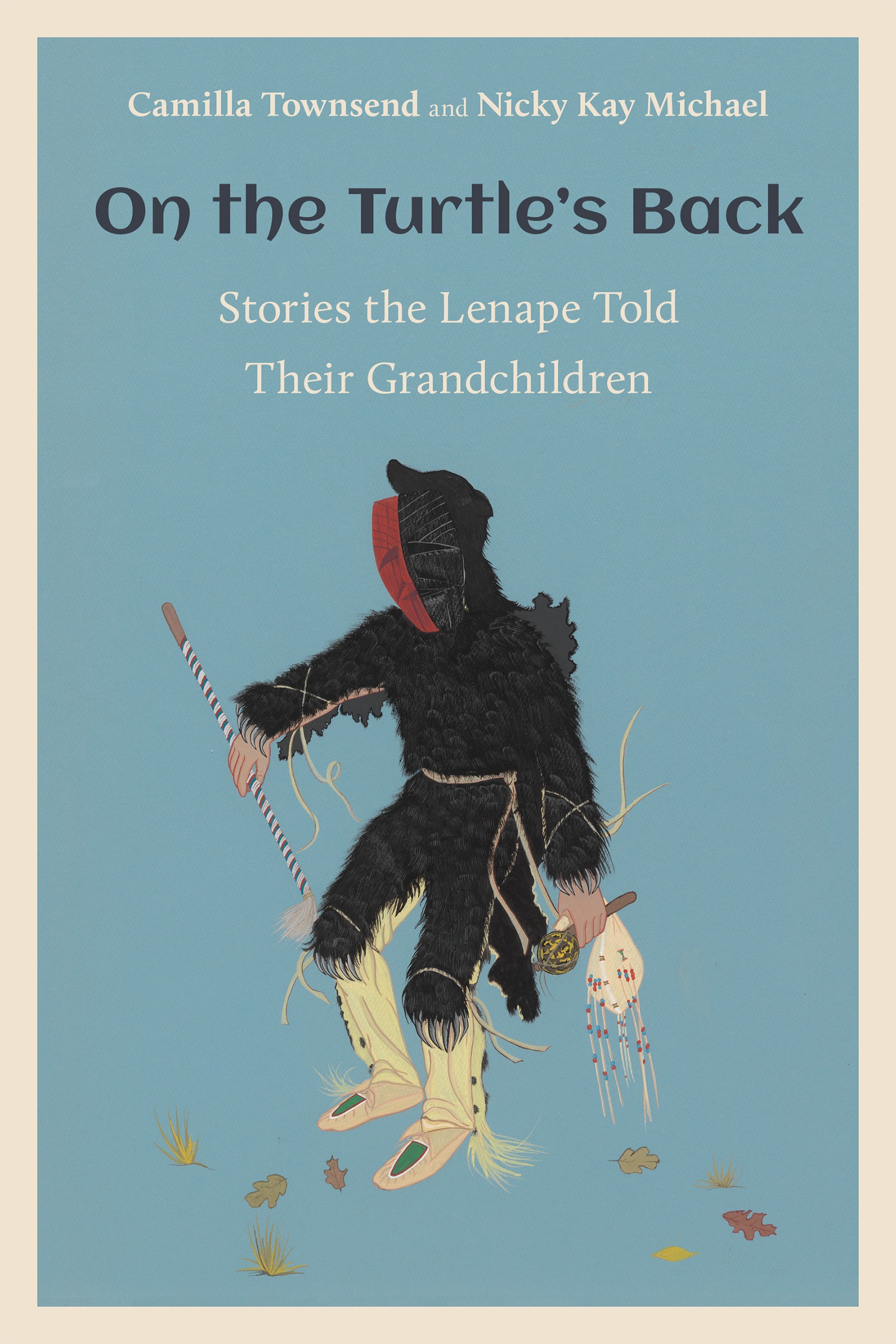
On the Turtle’s Back: Stories the Lenape Told Their Grandchildren
Megan Elias2026-10-29T14:10:35-04:00The Lenape tribe, also known as the Delaware Nation, lived for centuries on the land that English colonists later called New Jersey. But once America gained its independence, they were forced to move further west: to Indiana, then Missouri, and finally to the territory that became Oklahoma.…
Our Knowledge Is Not Primitive: Decolonizing Botanical Anishinaabe Teaching
Megan Elias2026-10-29T14:10:35-04:00Traditional Anishinaabe (Ojibwe or Chippewa) knowledge, like the knowledge systems of indigenous peoples around the world, has long been collected and presented by researchers who were not a part of the culture they observed. The result is a colonized version of the knowledge, one that is distorted and trivialized by an ill-suited Eurocentric paradigm of scientific investigation and classification.…
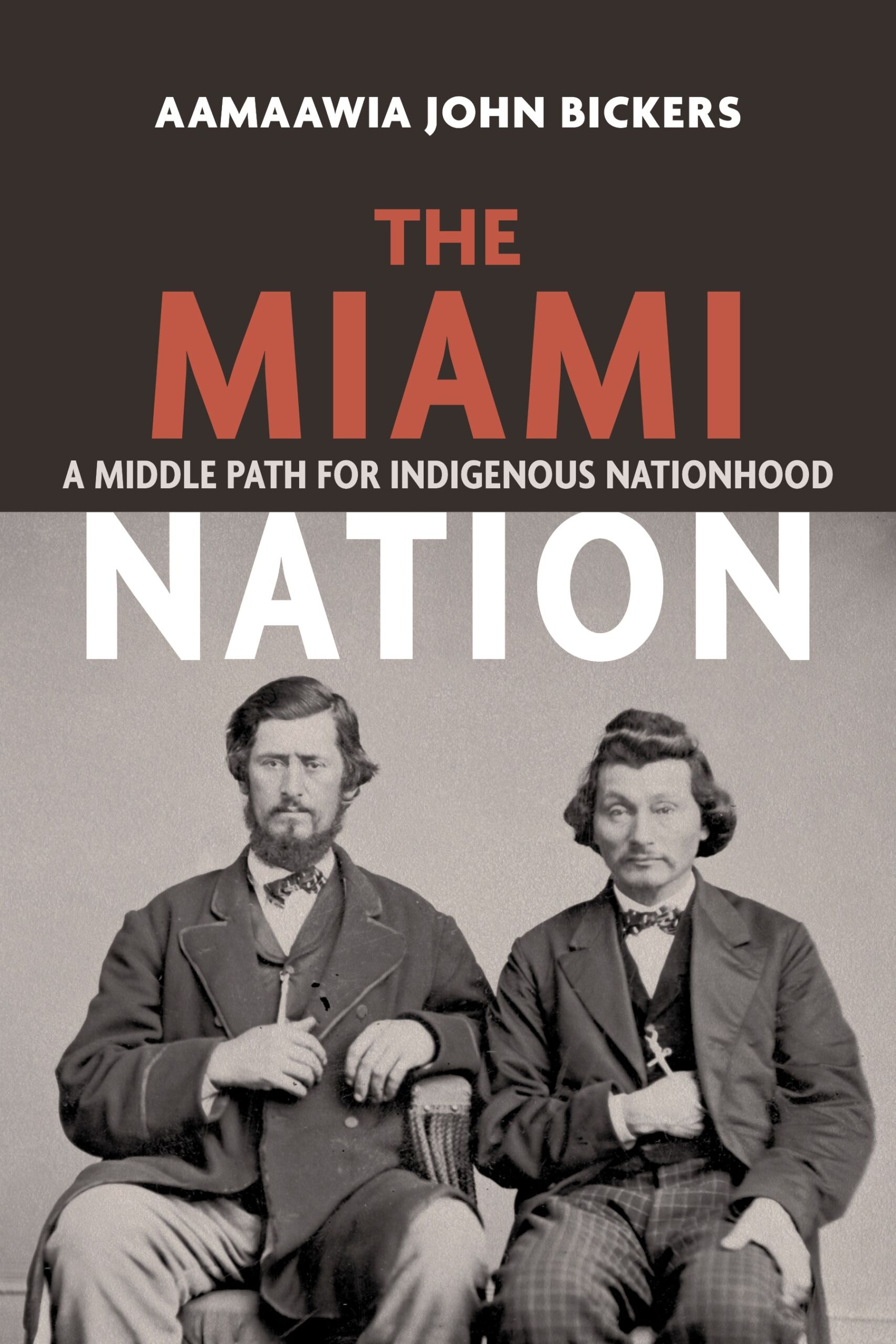
The Miami Nation
Megan Elias2026-10-29T14:10:35-04:00As the United States sought to expand its territorial holdings at the start of the nineteenth century into what is now Ohio and Indiana, the Indigenous Myaamia (Miami) peoples of the Wabash River Valley came together to form a united front to protect their lands and their people.…
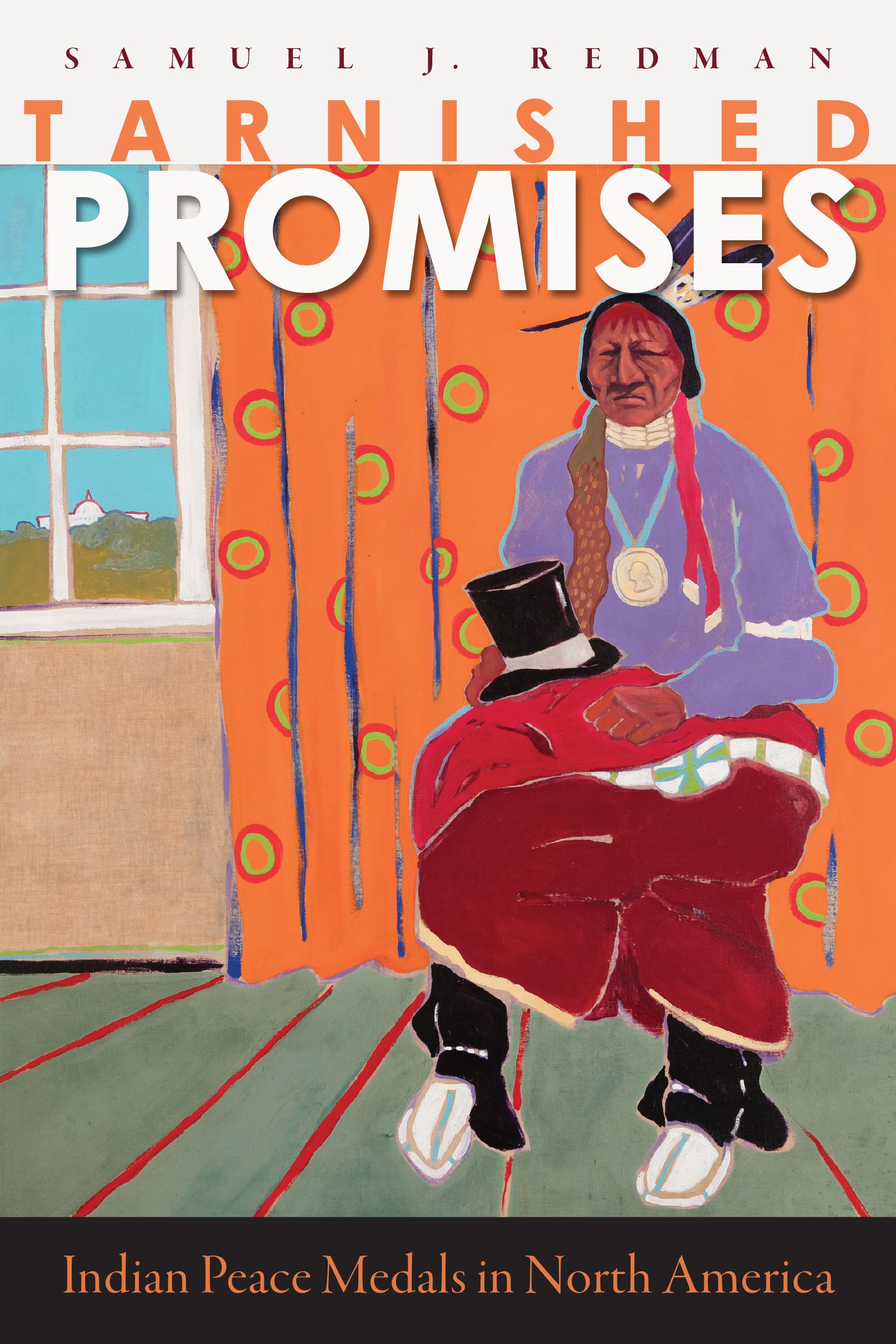
Tarnished Promises: Indian Peace Medals in North America
Megan Elias2026-10-29T14:10:35-04:00Using a collection of medals held at the Denver Museum of Nature & Science, Tarnished Promises presents an updated overview of the history and story of peace medals through an examination of their legacy in the modern world. Accompanying the history and analysis are images of thirteen exemplar peace medals from the DMNS collections and their accompanying object biographies.…
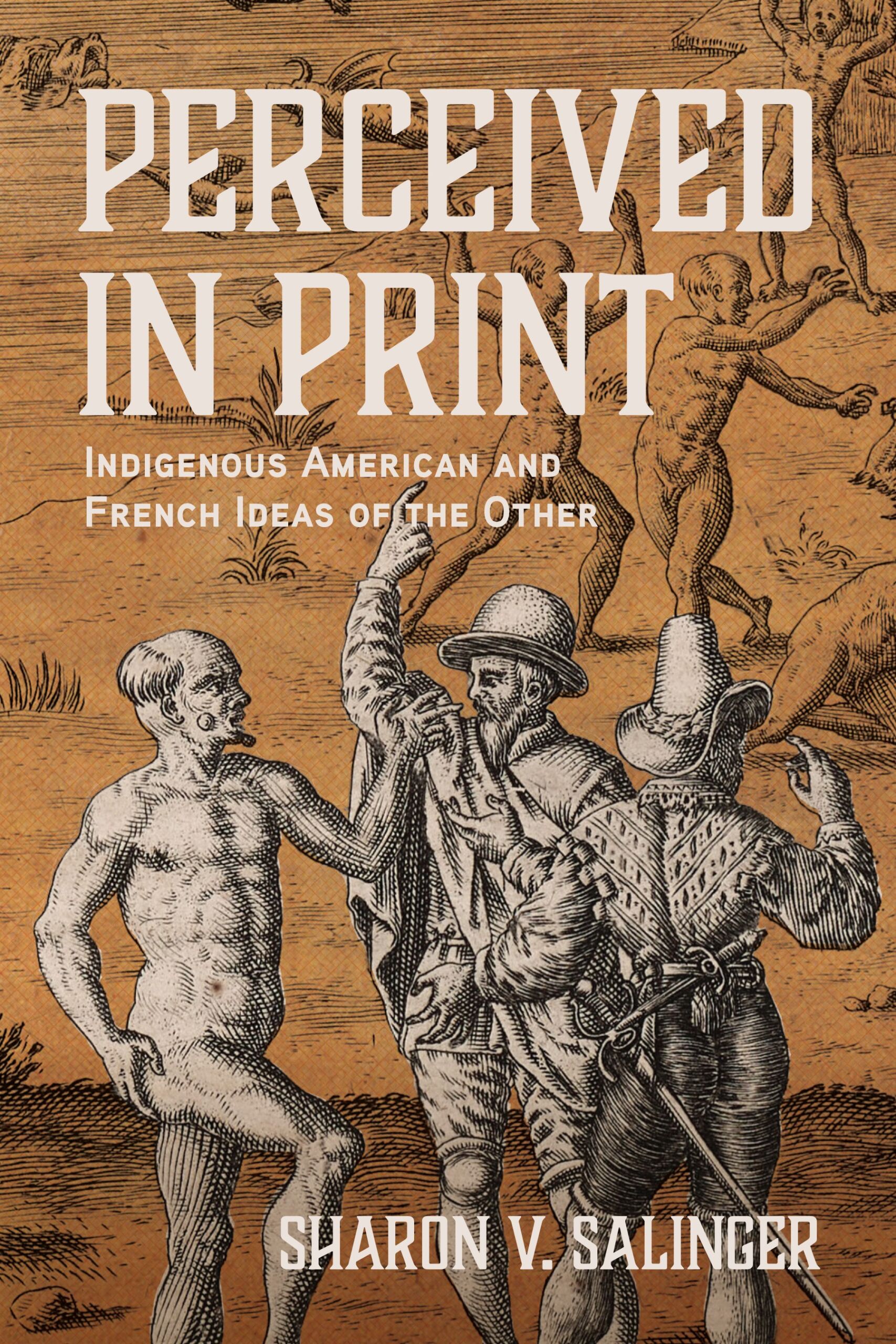
Perceived in Print: Indigenous American and French Ideas of the Other
Megan Elias2026-10-29T14:10:35-04:00Perceived in Print uses the published writings of adventurers and churchmen in the sixteenth and early seventeenth centuries to unlock the impressions Americans and French expressed about each other–what people from a diverse range of Indigenous cultures thought about the French and how the French perceived the inhabitants of these New Lands.…
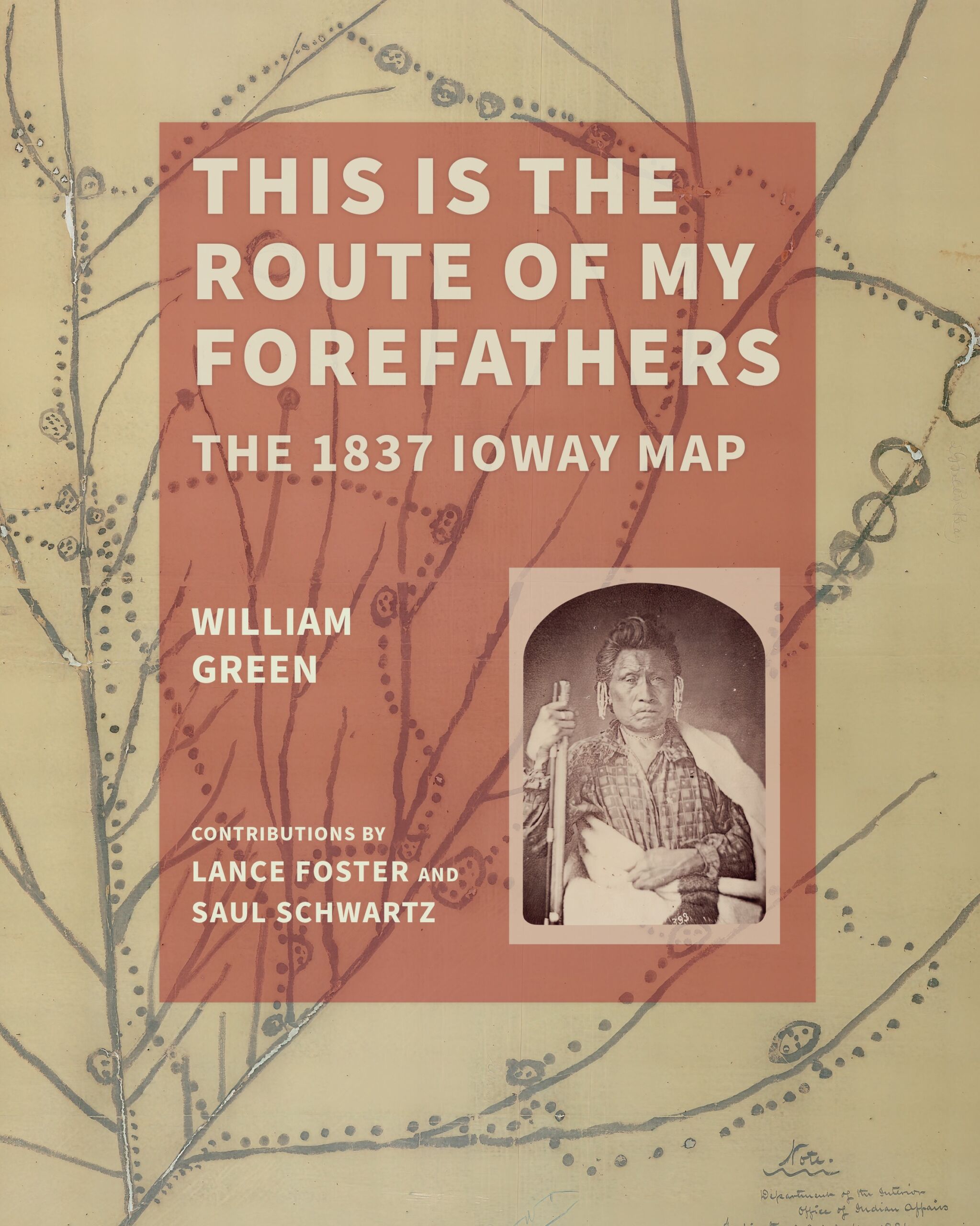
This Is the Route of My Forefathers: The 1837 Ioway Map
Megan Elias2026-10-29T14:10:35-04:00The state of Iowa is named for the Ioways, but most Iowans-and most Americans-know little about them. In THIS IS THE ROUTE OF MY FOREFATHERS, William Green elevates an understudied history by synthesizing oral traditions, written records, and archaeological data to decode the 1837 map drafted by Ioway leaders.…