Adult

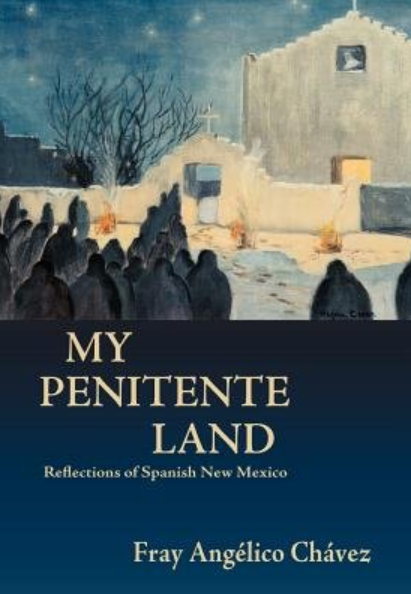
My Penitente Land

2026-11-03T14:45:50-05:00

This unusual book, Fray Angélico Chávez’s personal meditation on his cultural heritage, is also a kind of spiritual autobiography of the Hispano people of New Mexico. The spirit of New Mexico, he feels, grows out of its dry mountain terrain whose hills and valleys resemble those of Spain and of ancient Palestine.…

My Penitente Land2026-11-03T14:45:50-05:00

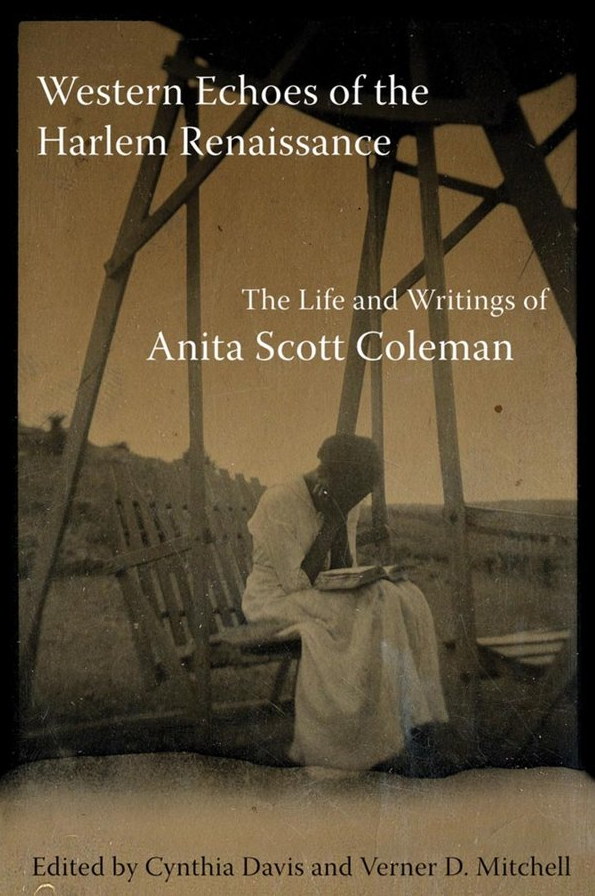
Western Echoes of the Harlem Renaissance

2026-11-03T14:45:50-05:00

One of the most distinctive and prolific writers of the Harlem Renaissance, Anita Scott Coleman (1890-1960) found popular and critical success in the flourishing African American press of the early twentieth century. Yet unlike many of her New York-based contemporaries, Coleman lived her life in the American West, first in New Mexico and later in California.…

Western Echoes of the Harlem Renaissance2026-11-03T14:45:50-05:00

A Radiant Curve

2026-11-03T14:45:50-05:00

In this sixth collection of stories and verse, award-winning writer Luci Tapahonso finds sacredness in everyday life. Viewing a sunset in a desert sky, listening to her granddaughter recount how she spent her day, or visiting her mother after her father’s passing, she finds traces of her own memories, along with echoes of the voices of her Navajo ancestors.…

A Radiant Curve2026-11-03T14:45:50-05:00

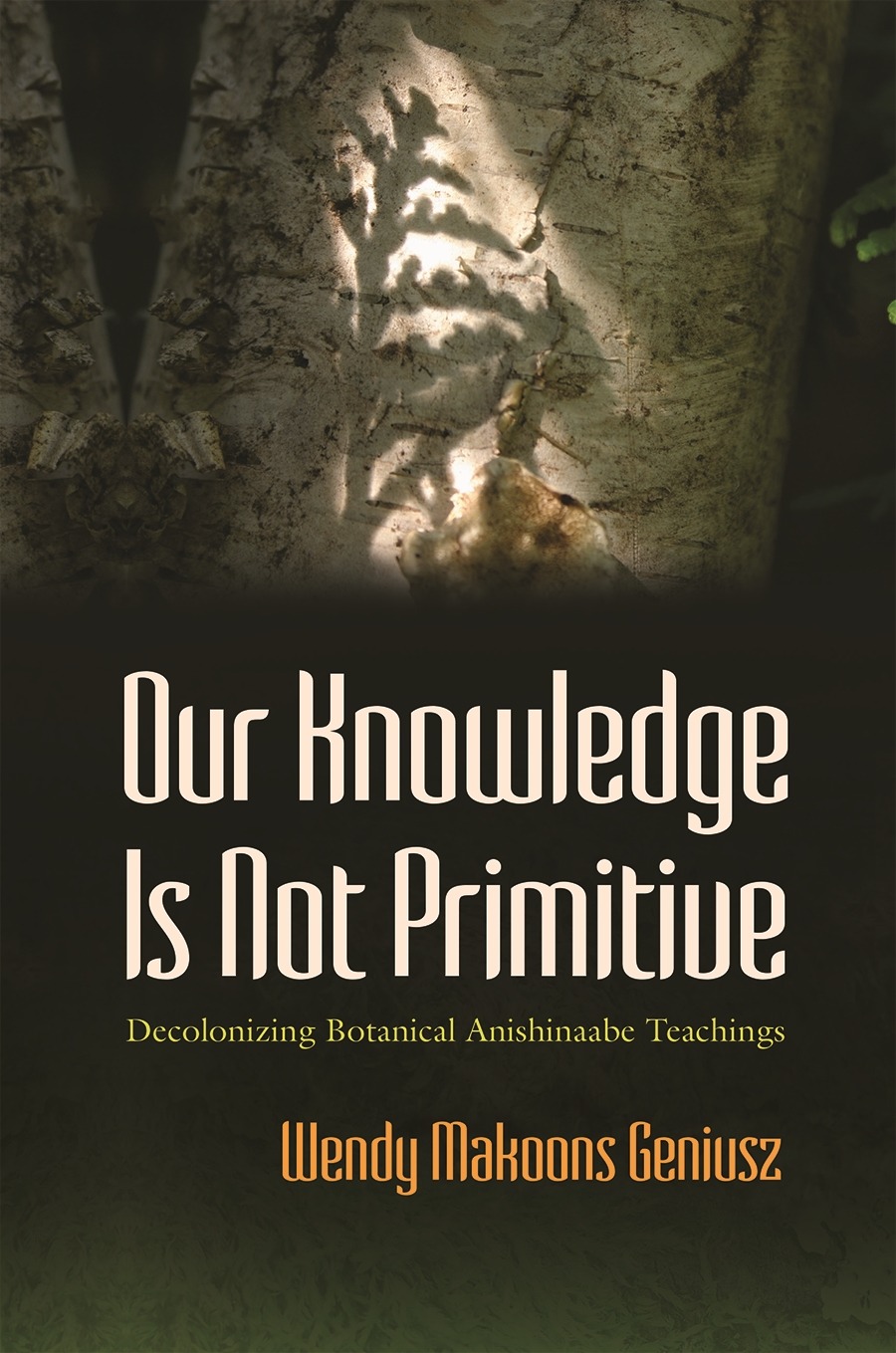
Our Knowledge Is Not Primitive: Decolonizing Botanical Anishinaabe Teaching

2026-10-29T14:10:35-04:00

Traditional Anishinaabe (Ojibwe or Chippewa) knowledge, like the knowledge systems of indigenous peoples around the world, has long been collected and presented by researchers who were not a part of the culture they observed. The result is a colonized version of the knowledge, one that is distorted and trivialized by an ill-suited Eurocentric paradigm of scientific investigation and classification.…

Our Knowledge Is Not Primitive: Decolonizing Botanical Anishinaabe Teaching2026-10-29T14:10:35-04:00

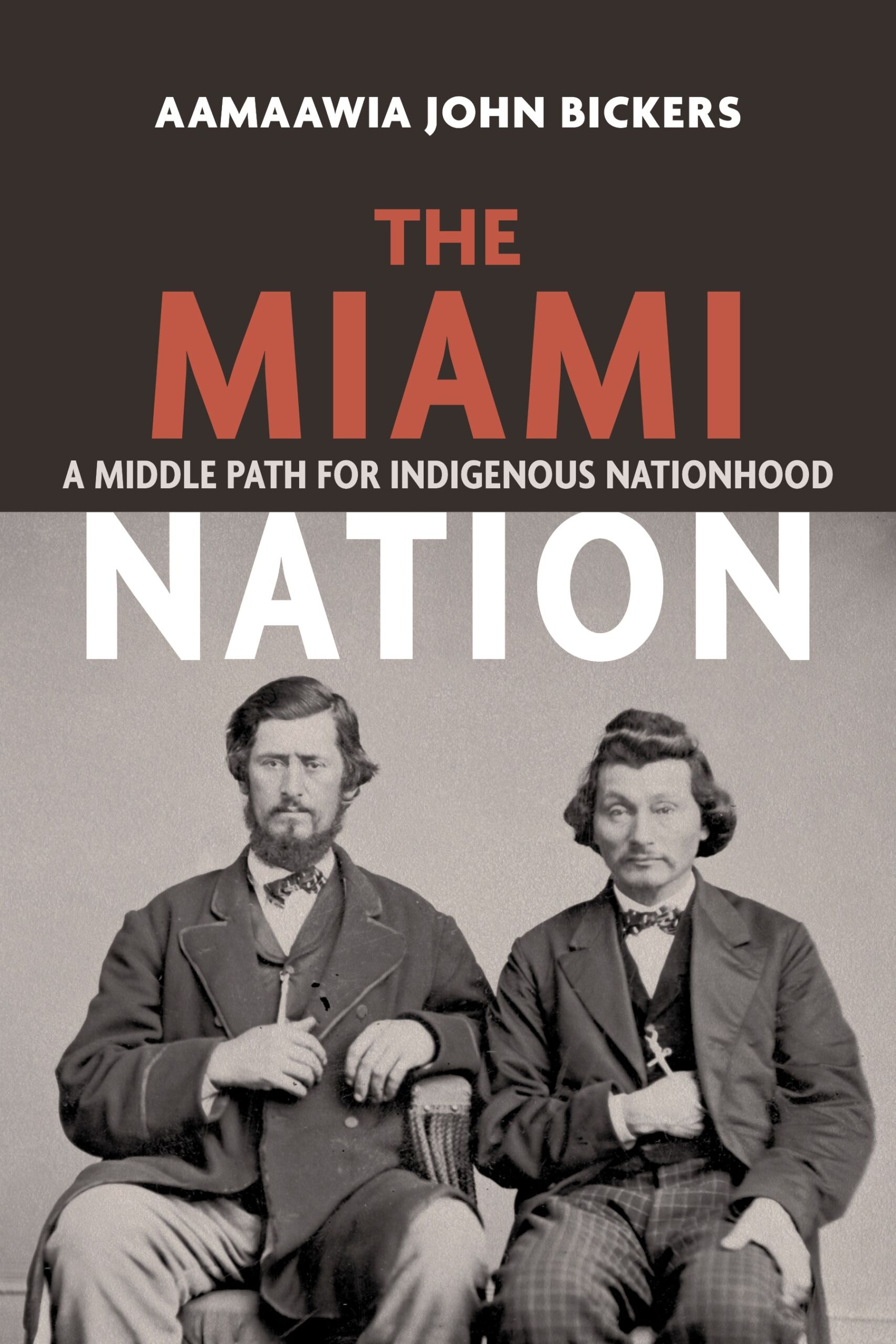
The Miami Nation

2026-10-29T14:10:35-04:00

As the United States sought to expand its territorial holdings at the start of the nineteenth century into what is now Ohio and Indiana, the Indigenous Myaamia (Miami) peoples of the Wabash River Valley came together to form a united front to protect their lands and their people.…

The Miami Nation2026-10-29T14:10:35-04:00

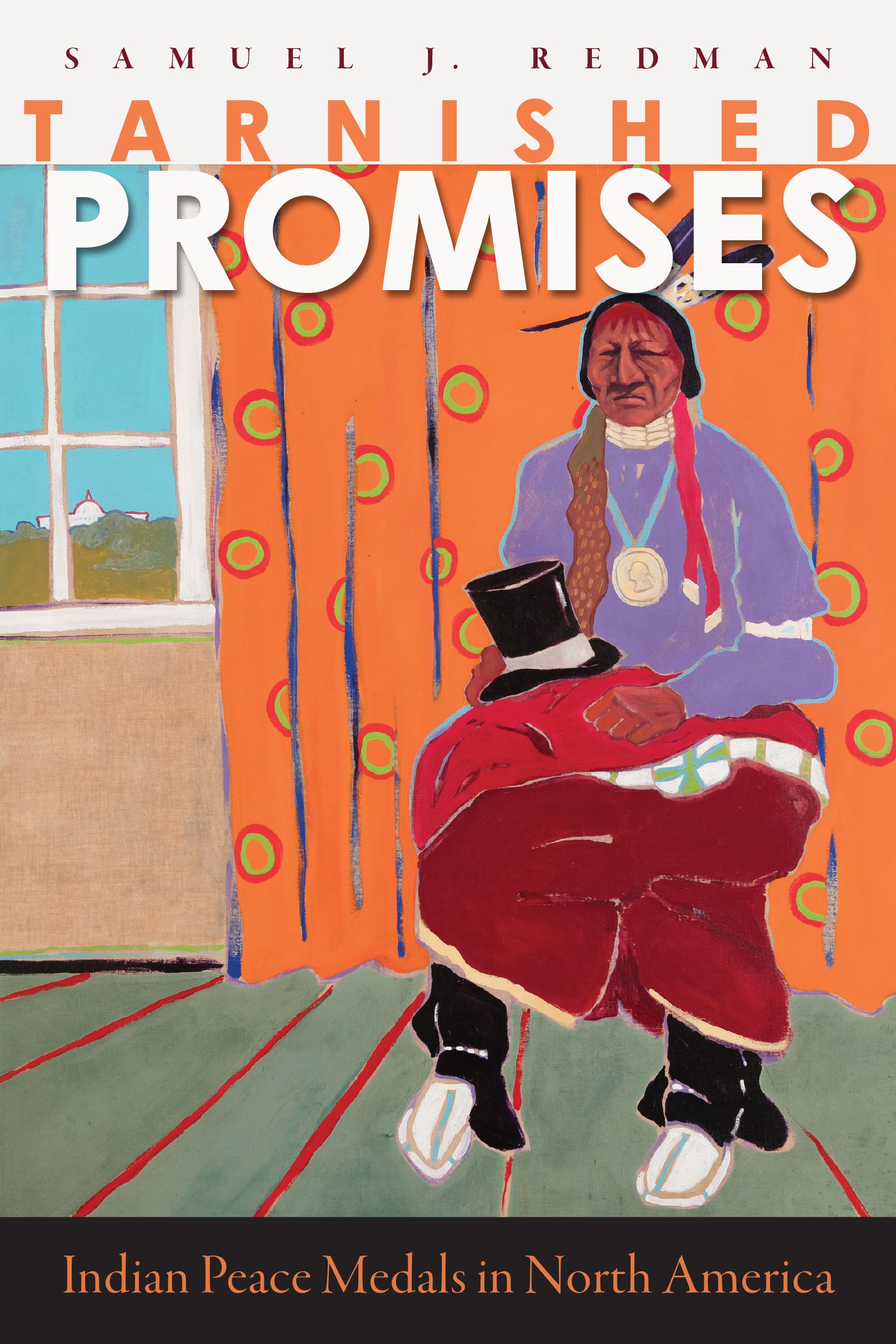
Tarnished Promises: Indian Peace Medals in North America

2026-10-29T14:10:35-04:00

Using a collection of medals held at the Denver Museum of Nature & Science, Tarnished Promises presents an updated overview of the history and story of peace medals through an examination of their legacy in the modern world. Accompanying the history and analysis are images of thirteen exemplar peace medals from the DMNS collections and their accompanying object biographies.…

Tarnished Promises: Indian Peace Medals in North America2026-10-29T14:10:35-04:00

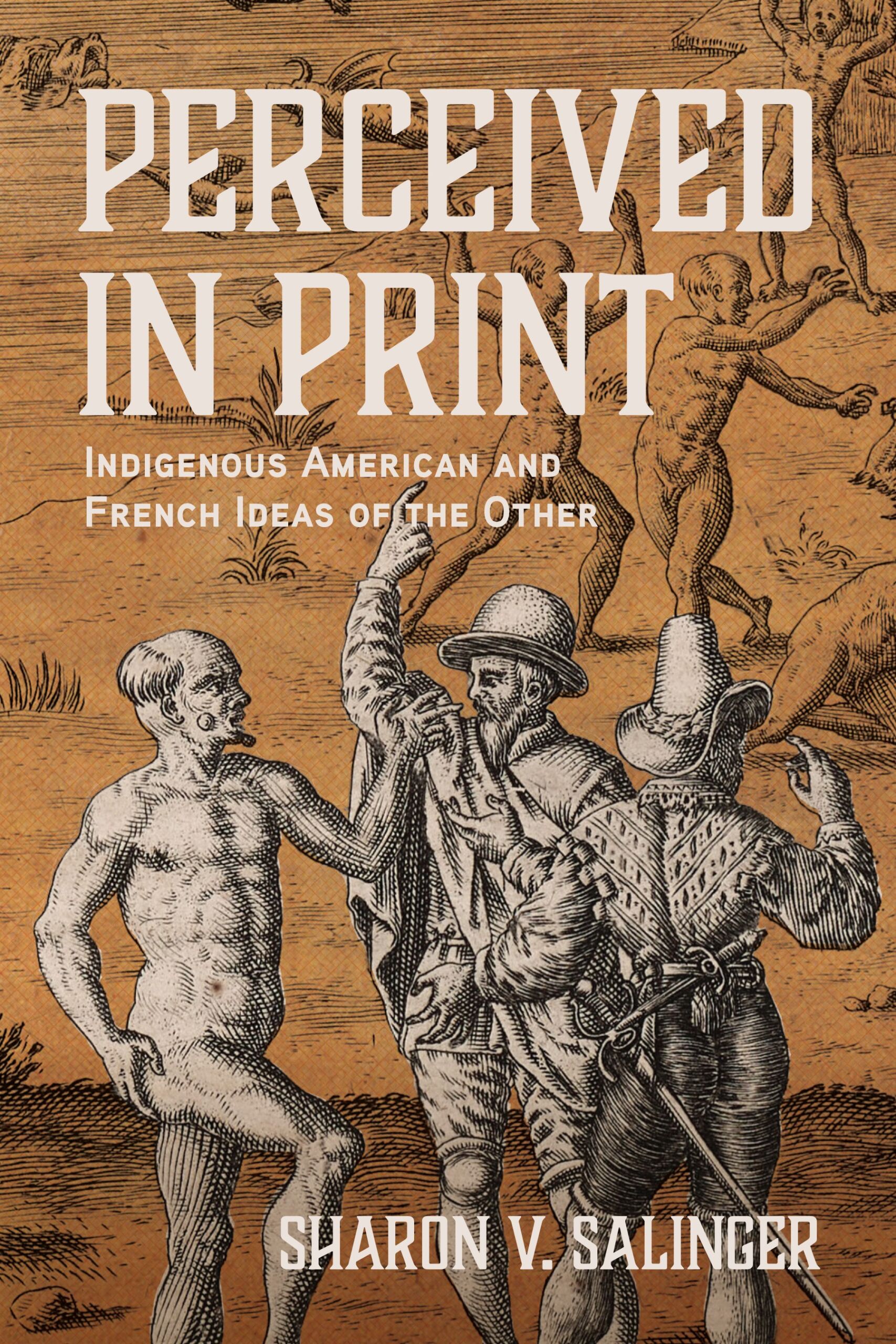
Perceived in Print: Indigenous American and French Ideas of the Other

2026-10-29T14:10:35-04:00

Perceived in Print uses the published writings of adventurers and churchmen in the sixteenth and early seventeenth centuries to unlock the impressions Americans and French expressed about each other–what people from a diverse range of Indigenous cultures thought about the French and how the French perceived the inhabitants of these New Lands.…

Perceived in Print: Indigenous American and French Ideas of the Other2026-10-29T14:10:35-04:00

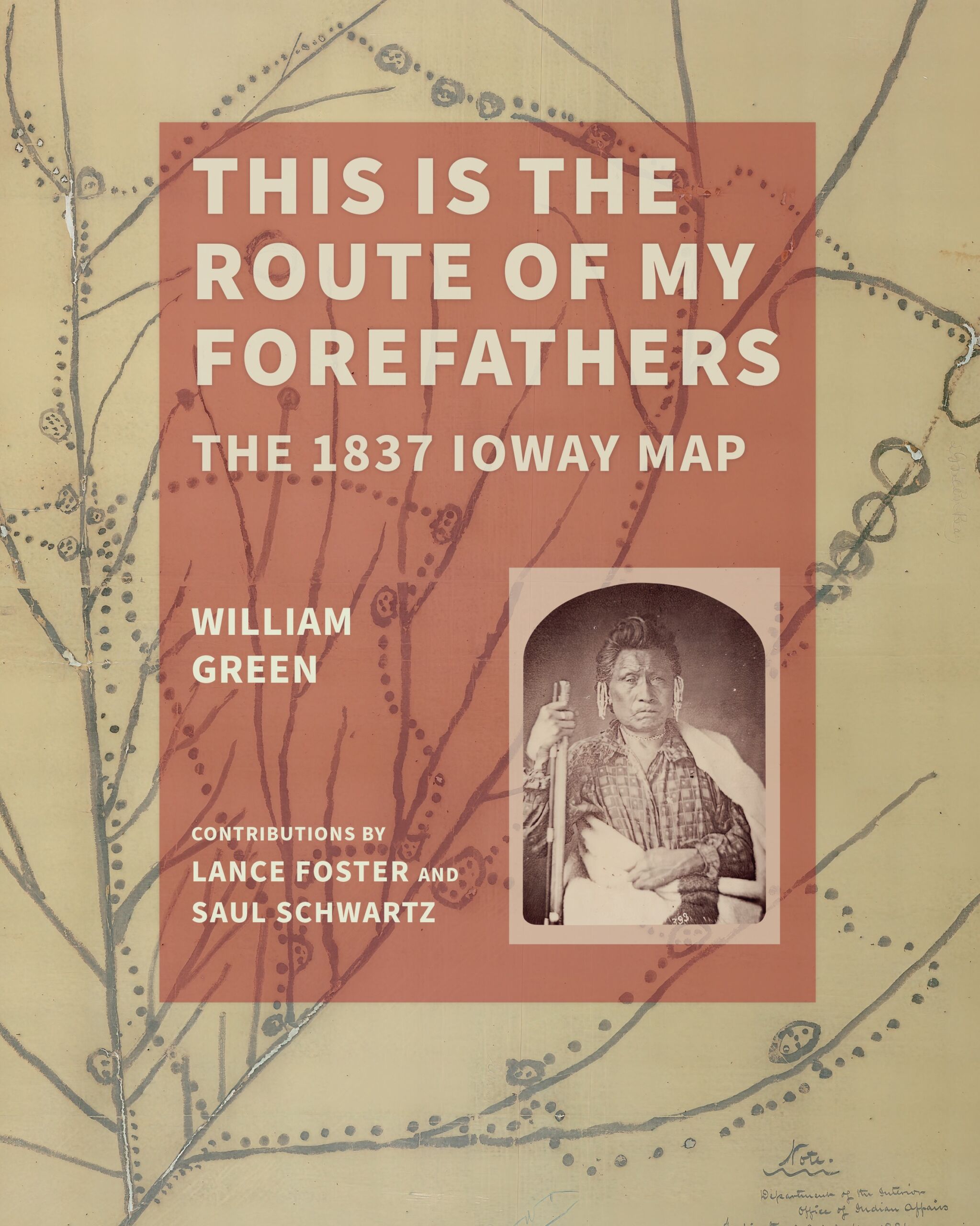
This Is the Route of My Forefathers: The 1837 Ioway Map

2026-10-29T14:10:35-04:00

The state of Iowa is named for the Ioways, but most Iowans-and most Americans-know little about them. In THIS IS THE ROUTE OF MY FOREFATHERS, William Green elevates an understudied history by synthesizing oral traditions, written records, and archaeological data to decode the 1837 map drafted by Ioway leaders.…

This Is the Route of My Forefathers: The 1837 Ioway Map2026-10-29T14:10:35-04:00
Go to Top