The Blacker the Berry: A Novel of Negro Life
The Mountain Meadows Massacre

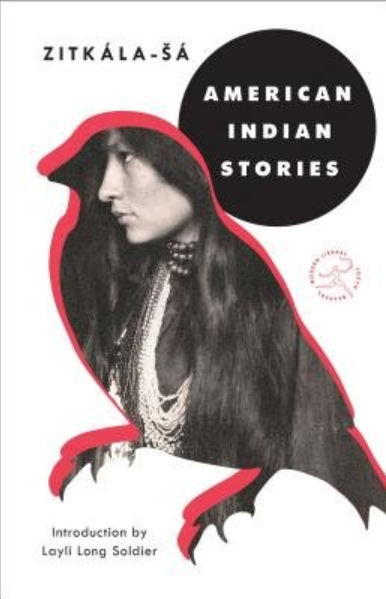
American Indian Stories

Bright and carefree, Zitkála-Šá grows up on the Yankton Sioux reservation in South Dakota with her mother until Quaker missionaries arrive, offering the reservation’s children a free education. The catch: They must leave their parents behind and travel to Indiana. Curious about the world beyond the reservation, Zitkála-Šá begs her mother to let her go—and her mother, aware of the advantages that an education offers, reluctantly agrees.

But the missionary school is not the adventure that Zitkála-Šá expected: The school is a strict one, her long hair is cut short, and only English is spoken. She encounters racism and ridicule. Slowly, Zitkála-Šá adapts to her environment—excelling at her studies, winning prizes for essay-writing and oration. But the price of success is estrangement from her cultural roots—and is it one she is willing to pay?

Combining Zitkála-Šá’s childhood memories, her short stories, and her poetry, American Indian Stories is the origin story of an activist in the making, a remarkable woman whose extraordinary career deserves wider recognition.
More Adult, Non-Juvenile Books

  • The realities of class and social capital, of strained marriages and the demands of motherhood, serve as constant reminders of how far apart Val and Milly have grown. And no matter how much they try to avoid it, everything comes back to the rift that began all those years ago in France. What they’ve long tried to bury may finally destroy their sisterhood.
  • In Tell Me Everything, Pulitzer Prize-winning author Elizabeth Strout returns to Crosby, Maine, exploring the complexities of new friendships and old loves amidst a shocking murder investigation. As characters navigate their intertwined lives, they grapple with profound questions about the meaning of existence, highlighting the enduring power of relationships and love in its many forms.
  • “An enthralling tale of a secret resistance movement run by Black women in pre-Civil War New Orleans.”—Time
  • Riley's poetry captures the essence of rural American life in the late 19th and early 20th centuries, and his works continue to be studied and recited to this day.