
A Girl of the Limberlost
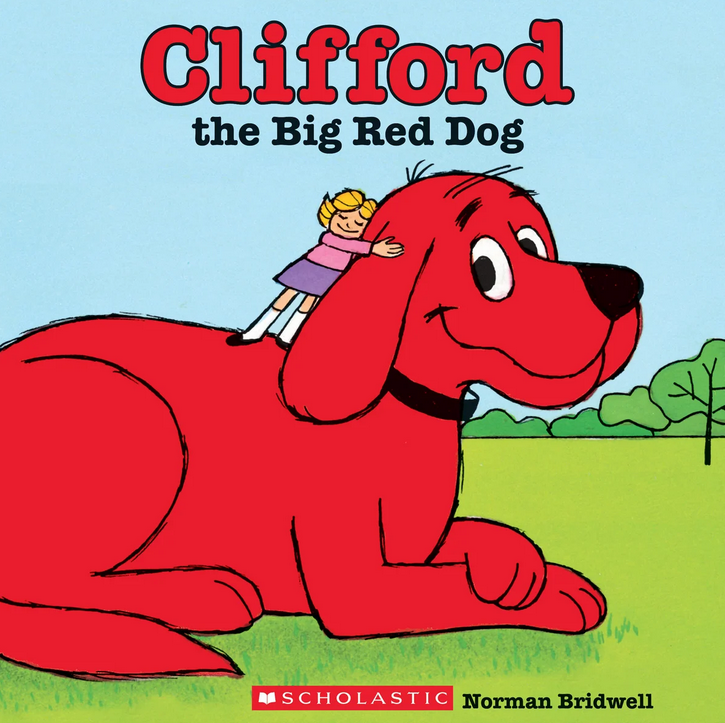
Clifford the Big Red Dog

Ben-Hur: A Tale of the Christ

Ben-Hur surpassed the fabulously popular Uncle Tom in the 19th century and was beloved for its attempt to faithfully represent the life and times of Jesus, and the person of Jesus himself. This is ironic, given that when Wallace began writing the book, he was not very religious. However, his extensive research into the Holy Land and the Bible brought him to the conviction that while his own book was a work of fiction, the Good Book was not. 20th century readers will recognize Ben Hur more from the 1950’s movie, and might not even be aware that it had first been a book. Typically, the movie isn’t as good as the book, but the movie is also an American classic. Nonetheless, the book’s attention to historical detail and its glimpse into America at a particular point in time gives modern readers deeper insight into both Christianity and the United States in the 19th century. This edition is unabridged and faithfully reflects the version as originally published in 1880.

More Adult, Non-Juvenile Books

  • Riley's poetry captures the essence of rural American life in the late 19th and early 20th centuries, and his works continue to be studied and recited to this day.
  • “Back then, when I was a young woman, there were still witches”: That was how Nana Alba always began the stories she told her great-granddaughter Minerva—stories that have stayed with Minerva all her life. Perhaps that’s why Minerva has become a graduate student focused on the history of horror literature and is researching the life of Beatrice Tremblay, an obscure author of macabre tales. In the course of assembling her thesis, Minerva uncovers information that reveals that Tremblay’s most famous novel, The Vanishing, was inspired by a true story: Decades earlier, during the Great Depression, Tremblay attended the same university where [...]
  • In this affecting narrative, a defining masterpiece by the "dean of Western writers" (The New York Times), Wallace Stegner portrays more than three decades in the life of the Mason family as they struggle to survive during the lean years of the early twentieth century.
  • The Blacker the Berry (1929), Wallace Thurman’s debut novel, broke new ground as an exploration of issues of “colorism,” intra-racial prejudice, and internalized racism in African American life.