How to Know a Person by David BrooksHow to Know a Person: The Art of Seeing Others Deeply and Being Deeply Seen
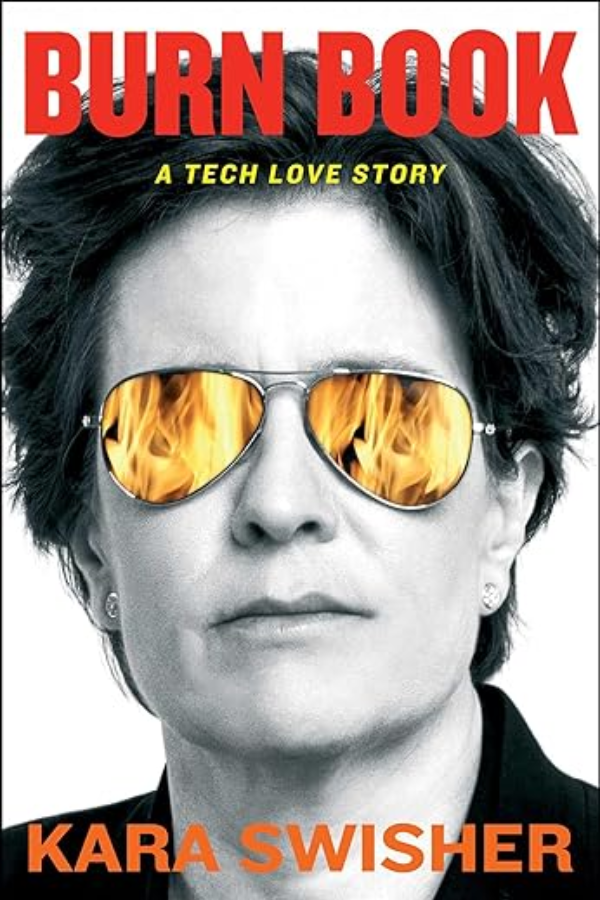
Burn Book by Kara SwisherThe Burn Book

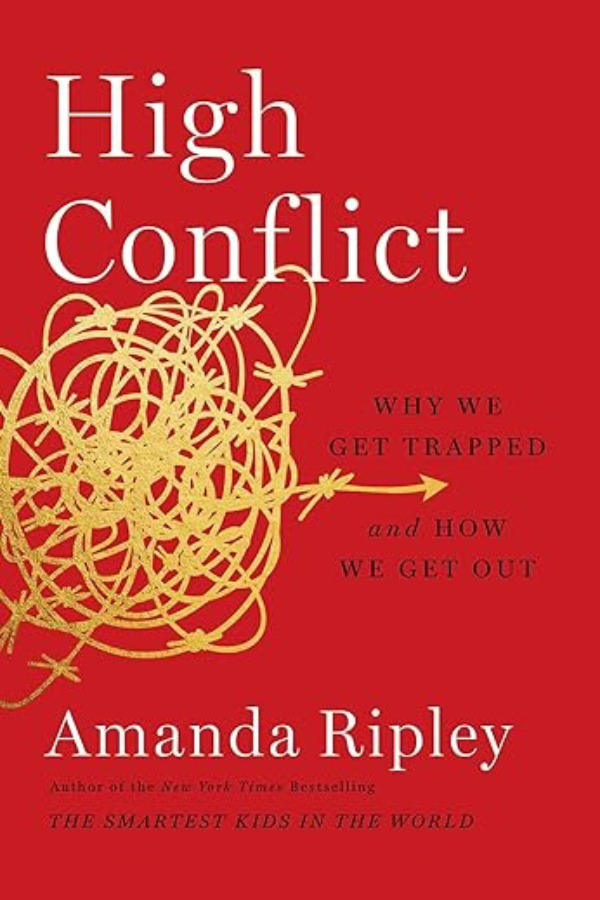
High Conflict

High Conflict: Why We Get Trapped and How We Get Out by Amanda Ripley

When we are baffled by the insanity of the “other side”—in our politics, at work, or at home—it’s because we aren’t seeing how the conflict itself has taken over.That’s what “high conflict” does. It’s the invisible hand of our time. And it’s different from the useful friction of healthy conflict. That’s good conflict, and it’s a necessary force that pushes us to be better people.High conflict, by contrast, is what happens when discord distills into a good-versus-evil kind of feud, the kind with an us and a them. In this state, the normal rules of engagement no longer apply. The brain behaves differently. We feel increasingly certain of our own superiority and, at the same time, more and more mystified by the other side.New York Times bestselling author and award-winning journalist Amanda Ripley investigates how good people get captured by high conflict—and how they break free.
More Adult Books

  • The title of this milestone collection acknowledges Kane's place in the tradition of women confessional poets, evokes the nickname of a common Louisiana flower, and nods to the honesty and frankness that characterize her poems' speakers.
  • Night Flyer by Tiya Miles offers a profound exploration of Harriet Tubman's life, challenging the mythic status often ascribed to her. Through tender storytelling and imaginative insight, Miles intricately weaves Tubman’s journey into the ecological and spiritual landscapes surrounding her, revealing a complex human being whose mysticism resonates deeply with contemporary struggles for justice and freedom.
  • Eskimo and white culture collide in this national bestselling novel of life in the contemporary Alaskan wilderness.
  • In Poverty, by America, Matthew Desmond explores the paradox of poverty in one of the wealthiest nations, revealing how affluent Americans contribute to the plight of the poor while benefiting from systemic inequalities. Through a blend of historical analysis and original reporting, Desmond argues for a collective effort to address poverty and envisions a future where shared prosperity and true freedom are attainable for all.