


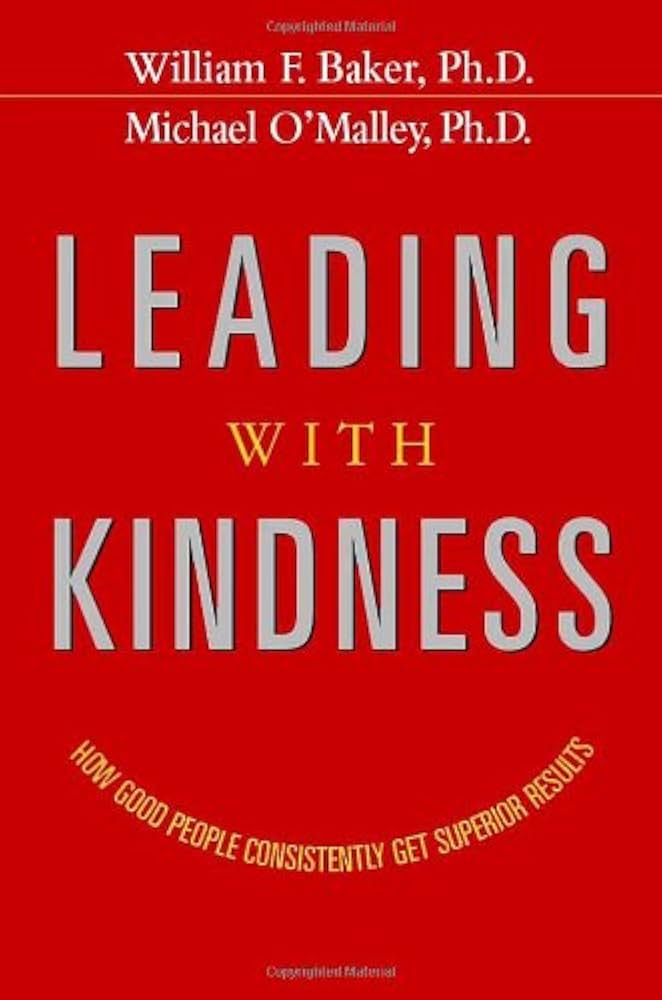
Leading with Kindness
Book Summary
When it comes to business, nice guys don’t finish last. In fact, the opposite is true. This award-winning book shows leaders how to leverage and exhibit kindness at work for the good of their teams and the future success of their organizations.
About the Book
Authors William Baker and Michael O’Malley teach you that–far from popular media portrayals of corporate callousness–kindness has a very distinct and essential place in the office.
Without presenting a naive idea of kindness, this eye-opening book identifies the surprising attributes successful and resoundingly kind leaders share–revealing how traits like sincerity, honesty, and respect can benefit organizations and help them to thrive.
In Leading With Kindness, business professionals will learn how to apply these lessons in their own workplace, gaining tips for how to:
– motivate employees, committee members, and others;
– recognize unique talents while nurturing all employees;
– establish a supportive environment;
– spur continuous organizational growth;
– adapt to change;
– and prepare the next generation of leaders.
Subtly and very effectively, a gentler, more human conception of leadership has become the gold standard for excellence. Leading With Kindness shows leaders how they can leverage the deceptively complex notion of kindness as guiding principle to lead more effectively.