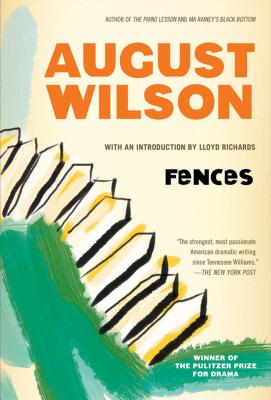

Fences
Red Paint: The Ancestral Autobiography of a Coast Salish Punk

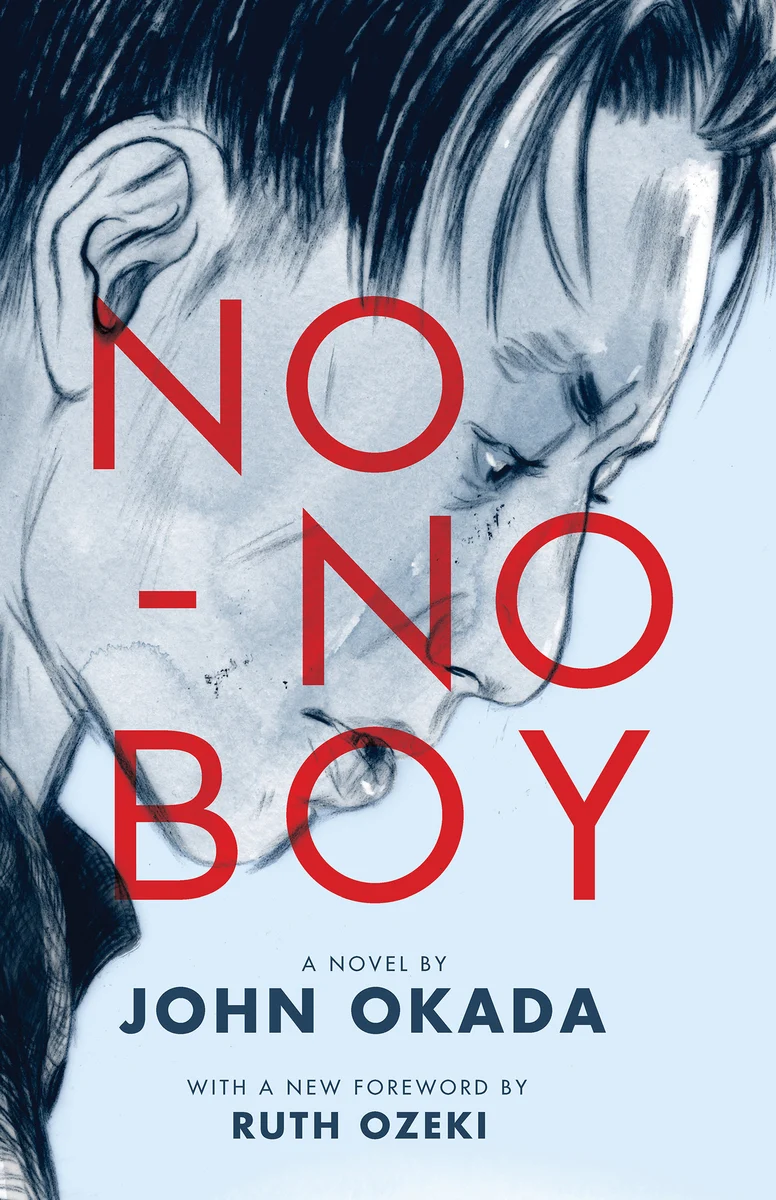
No-No Boy

No-No Boy has the honor of being among the first of what has become an entire literary canon of Asian American literature,” writes novelist Ruth Ozeki in her new foreword. First published in 1957, No-No Boy was virtually ignored by a public eager to put World War II and the Japanese internment behind them. It was not until the mid-1970s that a new generation of Japanese American writers and scholars recognized the novel’s importance and popularized it as one of literature’s most powerful testaments to the Asian American experience.

No-No Boy tells the story of Ichiro Yamada, a fictional version of the real-life “no-no boys.” Yamada answered “no” twice in a compulsory government questionnaire as to whether he would serve in the armed forces and swear loyalty to the United States. Unwilling to pledge himself to the country that interned him and his family, Ichiro earns two years in prison and the hostility of his family and community when he returns home to Seattle. As Ozeki writes, Ichiro’s “obsessive, tormented” voice subverts Japanese postwar “model-minority” stereotypes, showing a fractured community and one man’s “threnody of guilt, rage, and blame as he tries to negotiate his reentry into a shattered world.”

The first edition of No-No Boy since 1979 presents this important work to new generations of readers.
More Adult Books

  • Music and Mind by Renée Fleming explores the therapeutic benefits of music and arts therapies in addressing various health conditions, including pain relief and anxiety reduction. Drawing on her advocacy experience, Fleming invites insights from leading experts, examining the intersection of evolution, brain function, and technology in the arts and health sector. This groundbreaking work highlights the burgeoning interest in how the arts can enhance well-being, supported by recent advances in brain imaging and research initiatives.
  • A national bestseller, Derf Backderf’s Alex Award winner My Friend Dahmer is the bone-chilling graphic novel that inspired the major motion picture. You only think you know this story. In 1991, Jeffrey Dahmer–the most notorious serial killer since Jack the Ripper–seared himself into the American consciousness. To the public, Dahmer was a monster who committed unthinkable atrocities. To Derf Backderf, “Jeff” was a more complex figure: a high school friend with whom he had shared classrooms, hallways, and car rides. In My Friend Dahmer, a haunting and original graphic novel, writer-artist Derf Backderf creates a portrait of a disturbed young man [...]
  • The title of this milestone collection acknowledges Kane's place in the tradition of women confessional poets, evokes the nickname of a common Louisiana flower, and nods to the honesty and frankness that characterize her poems' speakers.
  • Night Flyer by Tiya Miles offers a profound exploration of Harriet Tubman's life, challenging the mythic status often ascribed to her. Through tender storytelling and imaginative insight, Miles intricately weaves Tubman’s journey into the ecological and spiritual landscapes surrounding her, revealing a complex human being whose mysticism resonates deeply with contemporary struggles for justice and freedom.