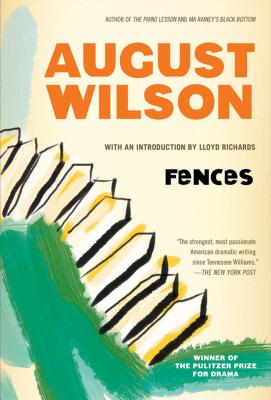

Fences
Red Paint: The Ancestral Autobiography of a Coast Salish Punk

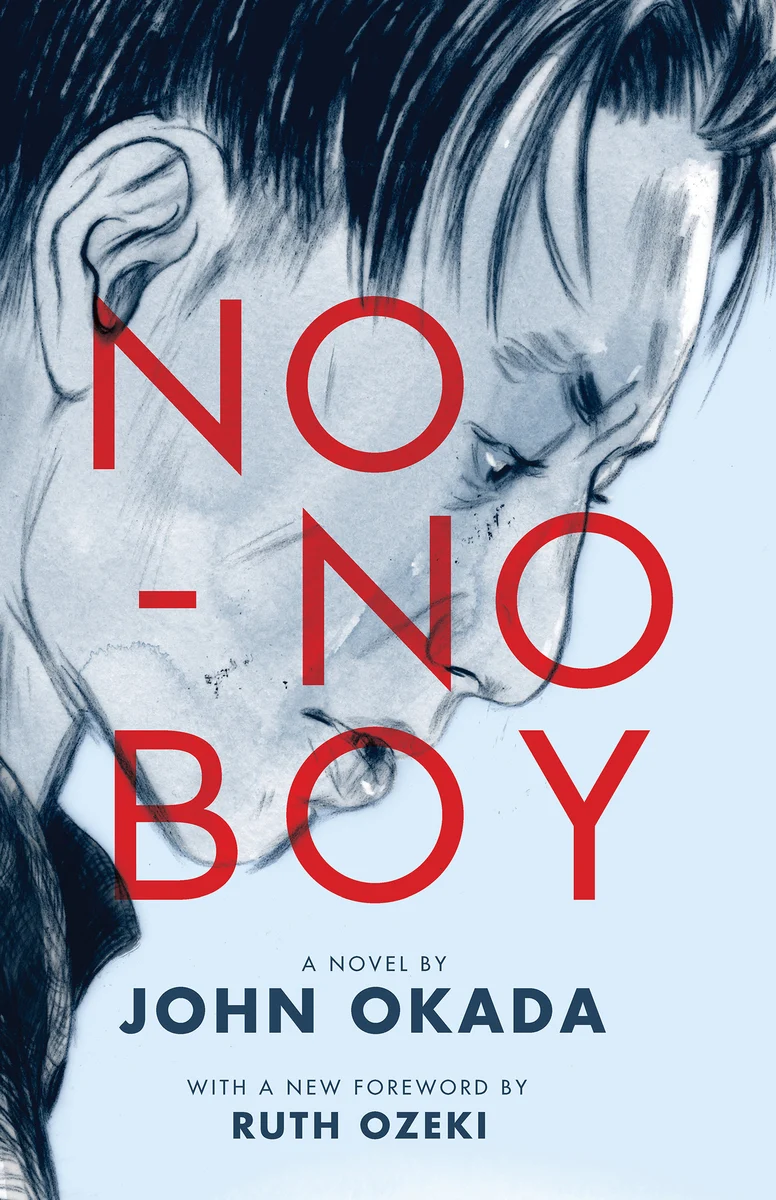
No-No Boy

No-No Boy has the honor of being among the first of what has become an entire literary canon of Asian American literature,” writes novelist Ruth Ozeki in her new foreword. First published in 1957, No-No Boy was virtually ignored by a public eager to put World War II and the Japanese internment behind them. It was not until the mid-1970s that a new generation of Japanese American writers and scholars recognized the novel’s importance and popularized it as one of literature’s most powerful testaments to the Asian American experience.

No-No Boy tells the story of Ichiro Yamada, a fictional version of the real-life “no-no boys.” Yamada answered “no” twice in a compulsory government questionnaire as to whether he would serve in the armed forces and swear loyalty to the United States. Unwilling to pledge himself to the country that interned him and his family, Ichiro earns two years in prison and the hostility of his family and community when he returns home to Seattle. As Ozeki writes, Ichiro’s “obsessive, tormented” voice subverts Japanese postwar “model-minority” stereotypes, showing a fractured community and one man’s “threnody of guilt, rage, and blame as he tries to negotiate his reentry into a shattered world.”

The first edition of No-No Boy since 1979 presents this important work to new generations of readers.
More Adult Books

  • Eskimo and white culture collide in this national bestselling novel of life in the contemporary Alaskan wilderness.
  • "In the ongoing contest over which dystopian classic is most applicable to our time, Octavia Butler's 'Parable' books may be unmatched."--The New Yorker
  • In Poverty, by America, Matthew Desmond explores the paradox of poverty in one of the wealthiest nations, revealing how affluent Americans contribute to the plight of the poor while benefiting from systemic inequalities. Through a blend of historical analysis and original reporting, Desmond argues for a collective effort to address poverty and envisions a future where shared prosperity and true freedom are attainable for all.
  • A stunning visual homage to Black bookstores, featuring a selection of shops around the country alongside essays that celebrate the history, community, activism, and culture these spaces embody, with an original foreword by Nikki Giovanni. Black literature is perhaps the most powerful, polarizing force in the modern American zeitgeist. Today—as Black novels draw authoritarian ire, as Black memoirs shape public debates, as Black polemics inspire protest petitions—it’s more important than ever to highlight the places that center these stories: Black bookstores. Traversing teeming metropolises and tiny towns, Prose to the People explores a these spaces, chronicling these Black bookstore’s past and [...]