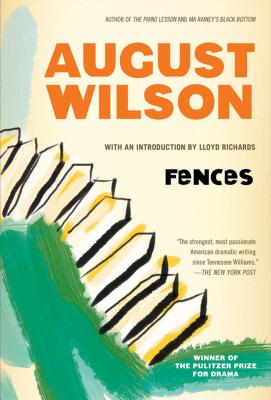
Fences
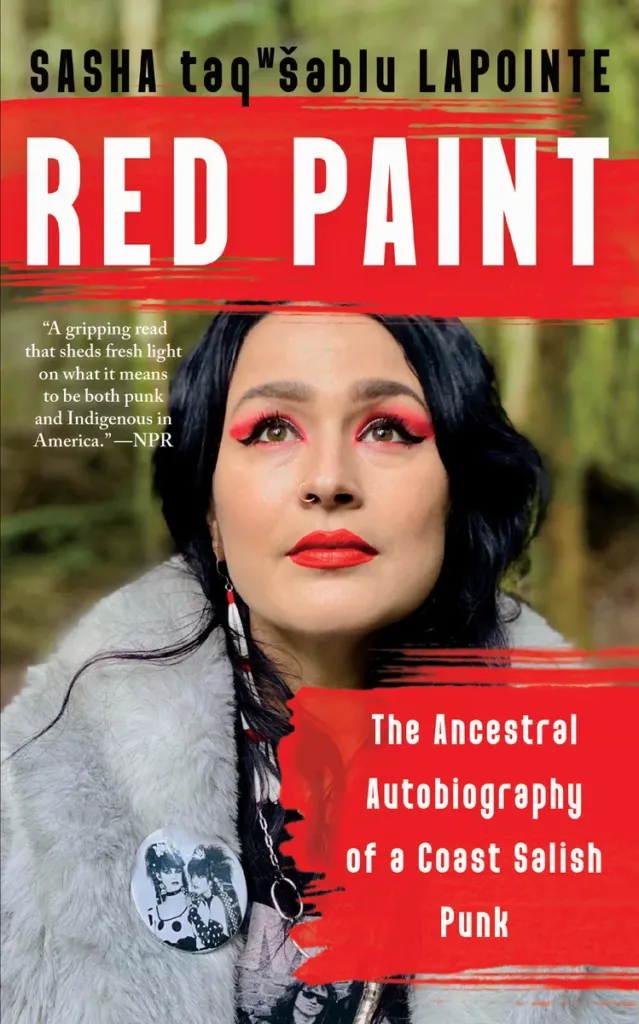
Red Paint: The Ancestral Autobiography of a Coast Salish Punk

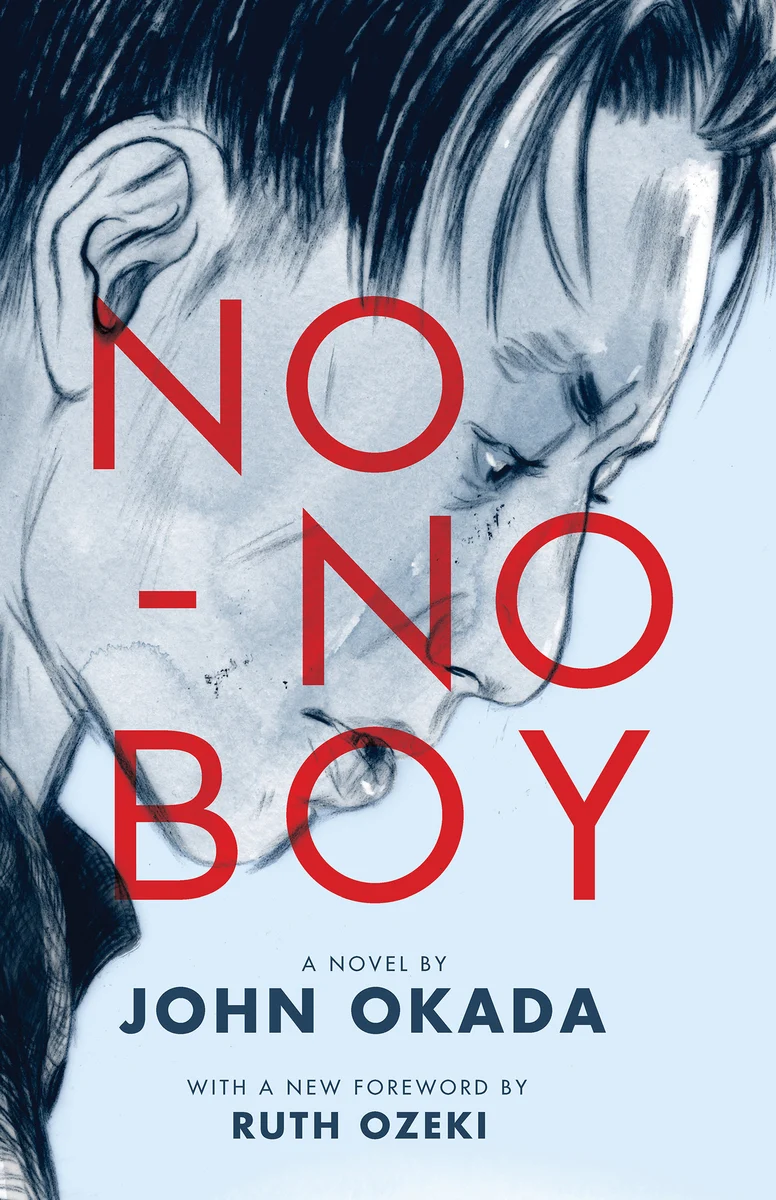
No-No Boy

No-No Boy has the honor of being among the first of what has become an entire literary canon of Asian American literature,” writes novelist Ruth Ozeki in her new foreword. First published in 1957, No-No Boy was virtually ignored by a public eager to put World War II and the Japanese internment behind them. It was not until the mid-1970s that a new generation of Japanese American writers and scholars recognized the novel’s importance and popularized it as one of literature’s most powerful testaments to the Asian American experience.

No-No Boy tells the story of Ichiro Yamada, a fictional version of the real-life “no-no boys.” Yamada answered “no” twice in a compulsory government questionnaire as to whether he would serve in the armed forces and swear loyalty to the United States. Unwilling to pledge himself to the country that interned him and his family, Ichiro earns two years in prison and the hostility of his family and community when he returns home to Seattle. As Ozeki writes, Ichiro’s “obsessive, tormented” voice subverts Japanese postwar “model-minority” stereotypes, showing a fractured community and one man’s “threnody of guilt, rage, and blame as he tries to negotiate his reentry into a shattered world.”

The first edition of No-No Boy since 1979 presents this important work to new generations of readers.
More Adult Books

  • Winner of the 1987 American Book Award The Essential Etheridge Knight is a selection of the best work by one of the country’s most prominent and liveliest poets. It brings together poems from Knight’s previously published books and a section of new poems.
  • In The Golem of Brooklyn, Len Bronstein, an art teacher with little knowledge of Judaism, accidentally brings a golem to life after stealing clay and getting high. As this nine-foot-six, Yiddish-speaking creature learns about contemporary crises, including the rise of white nationalism, it embodies the weight of Jewish history and trauma, prompting profound questions about humanity and identity.
  • The Hunter unfolds in a small Irish village where former Chicago PD officer Cal Hooper seeks peace but finds himself entangled in a conflict involving a reappearing father and a gold-seeking scheme. As Cal and his partner Lena strive to protect a troubled teenager from the looming threat, the lines between safeguarding and revenge blur, challenging their relationships and their morals.
  • Matt Daly’s lineage links back to Puritans from the early colonial period who helped set the course toward many of the destructive and shameful practices that Anglo-American culture has enacted on people and ecosystems around the world. The Invisible World strives to address this history, not to redress its wrongs, but at least to face them in the hope of making sense of how we might live beyond their influence. Exploring the writings of his ancestor, Matt saw an articulation of wildness as the habitat for evil. The American continent was cast as a place to be purged of its darkness. [...]