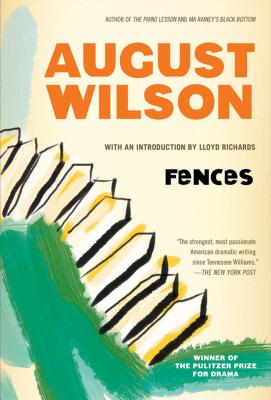
Fences
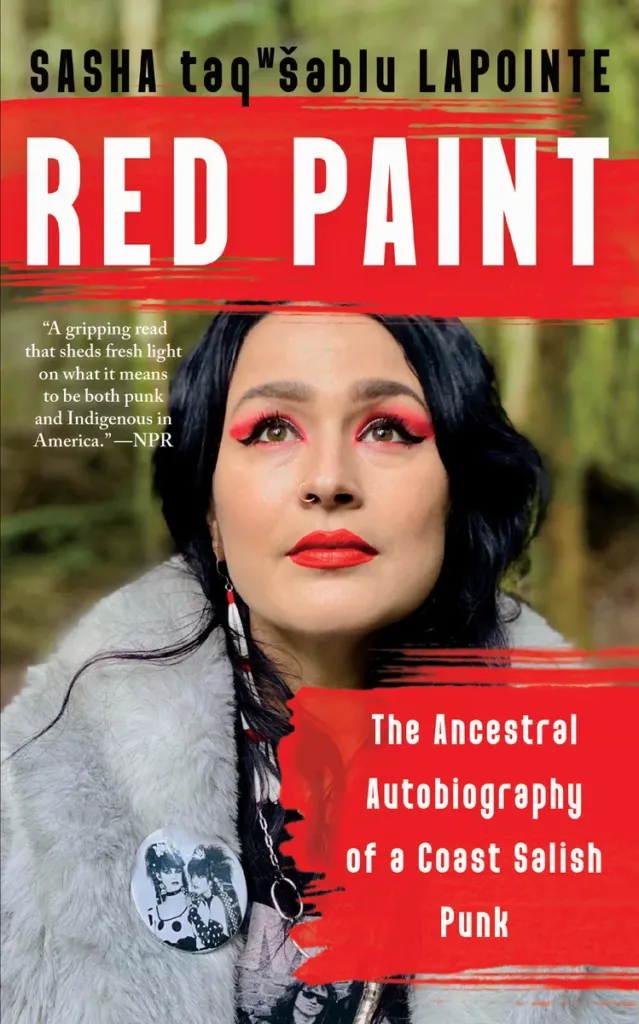
Red Paint: The Ancestral Autobiography of a Coast Salish Punk

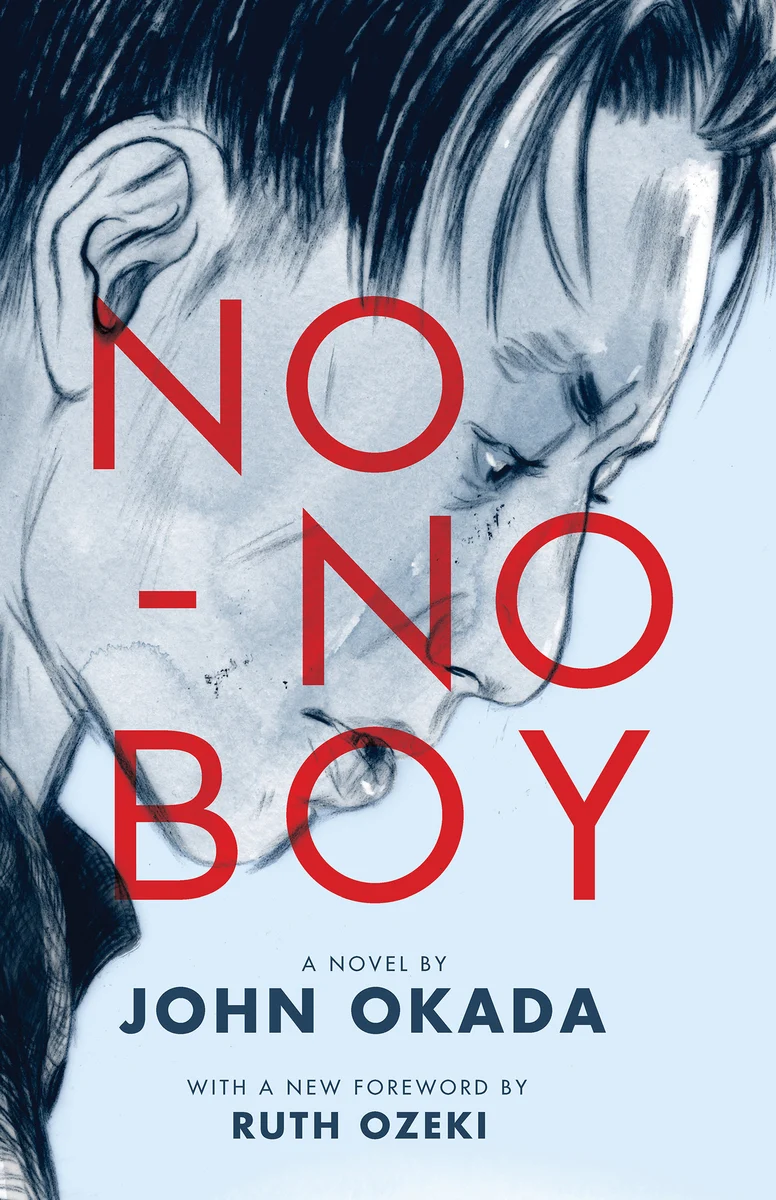
No-No Boy

No-No Boy has the honor of being among the first of what has become an entire literary canon of Asian American literature,” writes novelist Ruth Ozeki in her new foreword. First published in 1957, No-No Boy was virtually ignored by a public eager to put World War II and the Japanese internment behind them. It was not until the mid-1970s that a new generation of Japanese American writers and scholars recognized the novel’s importance and popularized it as one of literature’s most powerful testaments to the Asian American experience.

No-No Boy tells the story of Ichiro Yamada, a fictional version of the real-life “no-no boys.” Yamada answered “no” twice in a compulsory government questionnaire as to whether he would serve in the armed forces and swear loyalty to the United States. Unwilling to pledge himself to the country that interned him and his family, Ichiro earns two years in prison and the hostility of his family and community when he returns home to Seattle. As Ozeki writes, Ichiro’s “obsessive, tormented” voice subverts Japanese postwar “model-minority” stereotypes, showing a fractured community and one man’s “threnody of guilt, rage, and blame as he tries to negotiate his reentry into a shattered world.”

The first edition of No-No Boy since 1979 presents this important work to new generations of readers.
More Adult Books

  • The Tradition explores cultural threats on black bodies, resistance, and the interplay of desire and privilege in a dangerous era. Winner of the Pulitzer Prize in Poetry for The Tradition, Jericho Brown earned his PhD in Creative Writing and Literature from the University of Houston. He is the recipient of the Whiting Writers Award and fellowships from the National Endowment for the Arts, the Radcliffe Institute at Harvard University, the Bread Loaf Writers’ Conference, and the Krakow Poetry Seminar in Poland. His first book, Please (New Issues), won the American Book Award. His second book, The New Testament, won the Anisfield-Wolf [...]
  • The Women tells the story of Frances “Frankie” McGrath, a twenty-year-old nursing student who joins the Army Nurse Corps during the Vietnam War. As she navigates the chaos and destruction of war, Frankie discovers her own strength and idealism, ultimately facing the challenges of returning to a divided America. This novel illuminates the sacrifices of women in service and their enduring impact on history.
  • Growing up in Columbus, Ohio, in the 1990s, Hanif Abdurraqib witnessed a golden era of basketball, one in which legends like LeBron James were forged and countless others weren’t. His lifelong love of the game leads Abdurraqib into a lyrical, historical, and emotionally rich exploration of what it means to make it, who we think deserves success, the tension between excellence and expectation, and the very notion of role models, all of which he expertly weaves together with intimate, personal storytelling. “Here is where I would like to tell you about the form on my father’s jump shot,” Abdurraqib writes. “The [...]
  • When first published in 2017, They Can’t Kill Us Until They Kill Us became an instant cultural sensation, appearing in music videos, B-sides to singles by The National’s Matt Berninger and Julien Baker, as an essay prompt on standardized tests, and led critics at NPR to herald Hanif Abdurraqib as “one of the most essential voices of his generation.” This expanded paperback edition includes three additional essays by the author and an original afterword by Jason Reynolds. In an age of confusion, fear, and loss, Hanif Abdurraqib’s is a voice that matters. Whether he’s attending a Bruce Springsteen concert the day [...]