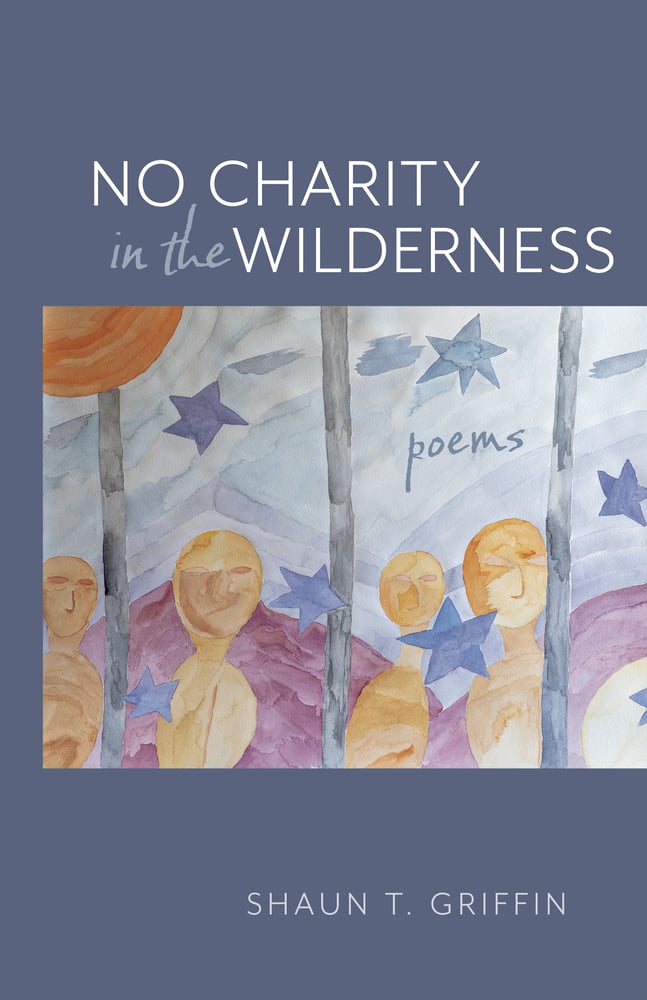
No Charity in the Wilderness
Dual Identities: Living in Meier's Shadow

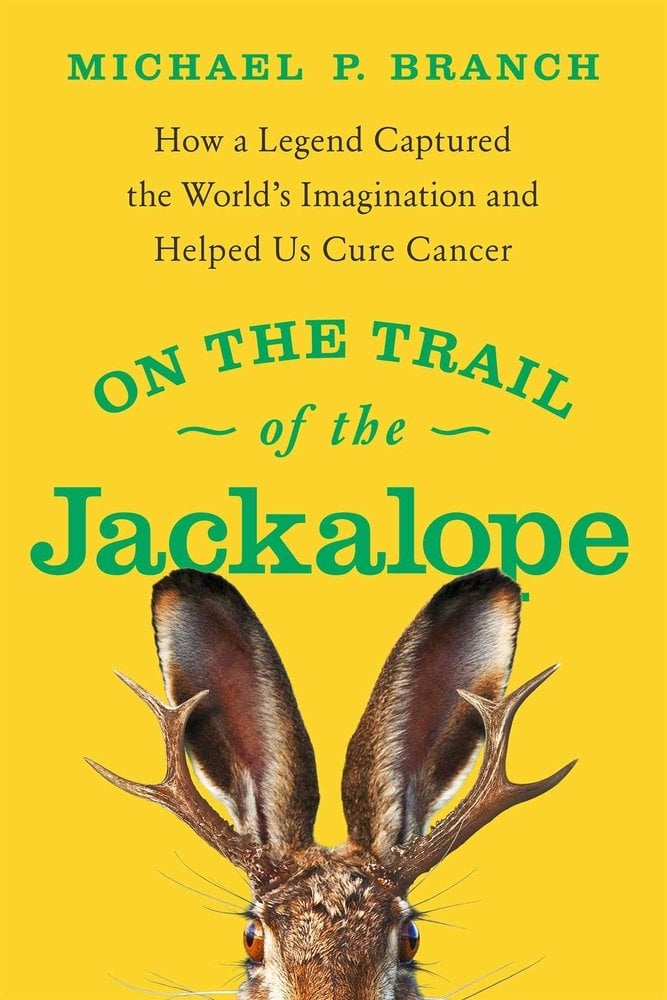
On the Trail of the Jackalope

The never-before-told story of the horned rabbit—the myths, the hoaxes, the very real scientific breakthrough it inspired—and how it became a cultural touchstone of the American West.

Just what is a jackalope? Purported to be part jackrabbit and part antelope, the jackalope began as a local joke concocted by two young brothers in a small Wyoming town during the Great Depression. Their creation quickly spread around the U.S., where it now regularly appears as innumerable forms of kitsch—wall mounts, postcards, keychains, coffee mugs, shot glasses, and so on. A vast body of folk narratives has carried the jackalope’s fame around the world to inspire art, music, film, even erotica!

Although the jackalope is an invention of the imagination, it is nevertheless connected to actual horned rabbits, which exist in nature and have for centuries been collected and studied by naturalists. Around the time the two young boys were creating the first jackalope in Wyoming, Dr. Richard Shope was making his first breakthrough about the cause of the horns: a virus. When the virus that causes rabbits to grow “horns” (a keratinous carcinoma) was first genetically sequenced in 1984, oncologists were able to use that genetic information to make remarkable, field-changing advances in the development of anti-viral cancer therapies. The most important of these is the human papillomavirus (HPV) vaccine, which protects against cervical and other cancers. Today, jackalopes are literally helping us cure cancer.

For fans of David Quammen’s The Song of the Dodo, Jon Mooallem’s Wild Ones, or Jeff Meldrum’s Sasquatch, Michael P. Branch’s remarkable On the Trail of the Jackalope is an entertaining and enlightening road trip through the heart of America.
More Non-Juvenile Books

  • “Back then, when I was a young woman, there were still witches”: That was how Nana Alba always began the stories she told her great-granddaughter Minerva—stories that have stayed with Minerva all her life. Perhaps that’s why Minerva has become a graduate student focused on the history of horror literature and is researching the life of Beatrice Tremblay, an obscure author of macabre tales. In the course of assembling her thesis, Minerva uncovers information that reveals that Tremblay’s most famous novel, The Vanishing, was inspired by a true story: Decades earlier, during the Great Depression, Tremblay attended the same university where [...]
  • In this affecting narrative, a defining masterpiece by the "dean of Western writers" (The New York Times), Wallace Stegner portrays more than three decades in the life of the Mason family as they struggle to survive during the lean years of the early twentieth century.
  • The Blacker the Berry (1929), Wallace Thurman’s debut novel, broke new ground as an exploration of issues of “colorism,” intra-racial prejudice, and internalized racism in African American life.
  • NATIONAL BESTSELLER • A PARADE BEST BOOK OF ALL TIME • From the acclaimed Nobel Prize winner—a powerful examination of our obsession with beauty and conformity that asks questions about race, class, and gender with characteristic subtlety and grace. “So precise, so faithful to speech and so charged with pain and wonder that the novel becomes poetry”—The New York Times In Morrison’s acclaimed first novel, Pecola Breedlove—an 11-year-old Black girl in an America whose love for its blond, blue-eyed children can devastate all others—prays for her eyes to turn blue: so that she will be beautiful, so that people will look [...]