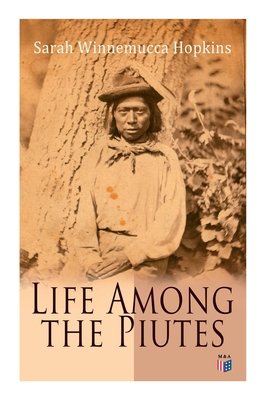
Life Among the Piutes
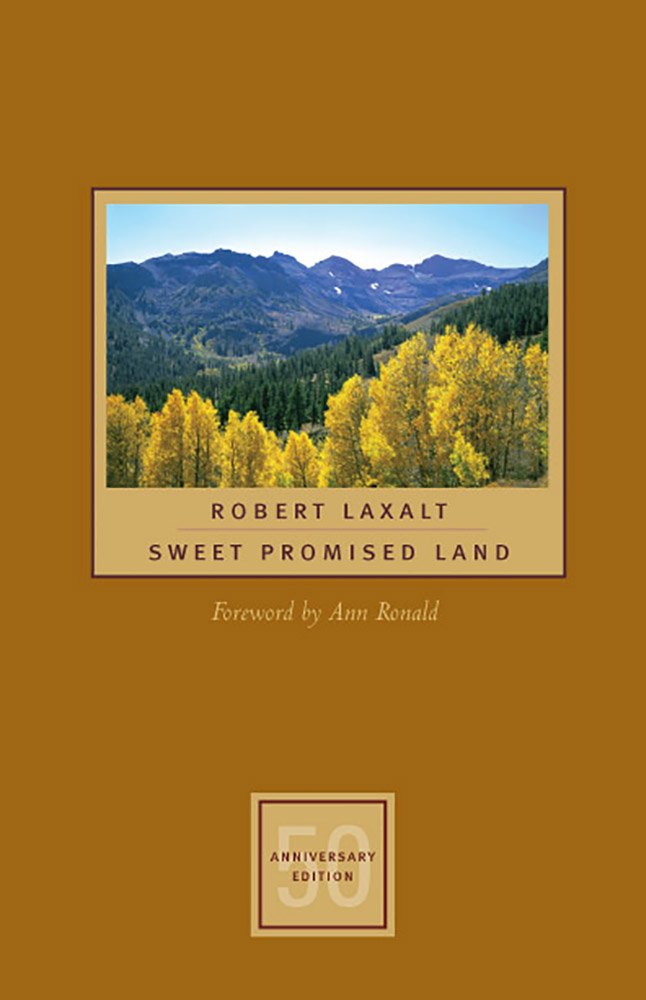
Sweet Promised Land, 50th Ed.

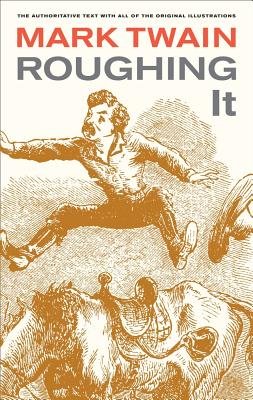
Roughing It

Mark Twain’s humorous account of his six years in Nevada, San Francisco, and the Sandwich Islands is a patchwork of personal anecdotes and tall tales, many of them told in the “vigorous new vernacular” of the West. Selling seventy five thousand copies within a year of its publication in 1872, Roughing It was greeted as a work of “wild, preposterous invention and sublime exaggeration” whose satiric humor made “pretension and false dignity ridiculous.” Meticulously restored from a variety of original sources, the text is the first to adhere to the author’s wishes in thousands of details of wording, spelling, and punctuation, and includes all of the 304 first-edition illustrations. With its comprehensive and illuminating notes and supplementary materials, which include detailed maps tracing Mark Twain’s western travels, this Mark Twain Library Roughing It must be considered the standard edition for readers and students of Mark Twain.
More Non-Juvenile Books

  • Riley's poetry captures the essence of rural American life in the late 19th and early 20th centuries, and his works continue to be studied and recited to this day.
  • “Back then, when I was a young woman, there were still witches”: That was how Nana Alba always began the stories she told her great-granddaughter Minerva—stories that have stayed with Minerva all her life. Perhaps that’s why Minerva has become a graduate student focused on the history of horror literature and is researching the life of Beatrice Tremblay, an obscure author of macabre tales. In the course of assembling her thesis, Minerva uncovers information that reveals that Tremblay’s most famous novel, The Vanishing, was inspired by a true story: Decades earlier, during the Great Depression, Tremblay attended the same university where [...]
  • In this affecting narrative, a defining masterpiece by the "dean of Western writers" (The New York Times), Wallace Stegner portrays more than three decades in the life of the Mason family as they struggle to survive during the lean years of the early twentieth century.
  • The Blacker the Berry (1929), Wallace Thurman’s debut novel, broke new ground as an exploration of issues of “colorism,” intra-racial prejudice, and internalized racism in African American life.