
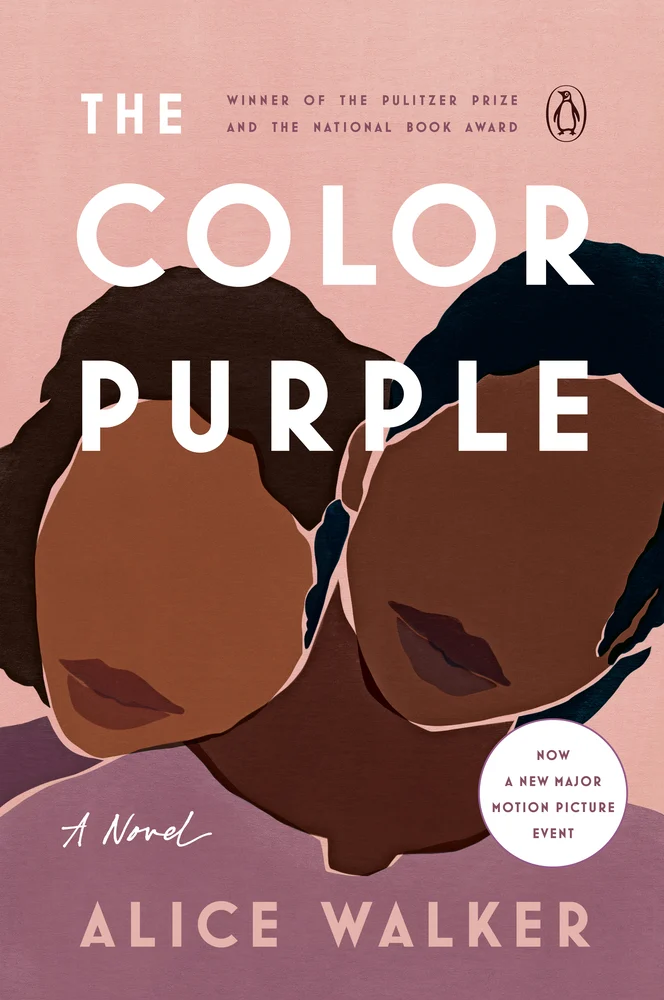
The Color Purple
Read the original inspiration for the new, boldly reimagined film from producers Oprah Winfrey and Steven Spielberg, starring Taraji P. Henson, Danielle Brooks, and Fantasia Barrino.
Celebrating its fortieth anniversary, The Color Purple writes a message of healing, forgiveness, self-discovery, and sisterhood to a new generation of readers. An inspiration to authors who continue to give voice to the multidimensionality of Black women’s stories, including Tayari Jones, Honorée Fanonne Jeffers, Jesmyn Ward, and more, The Color Purple remains an essential read in conversation with storytellers today.
Winner of the Pulitzer Prize and the National Book Award
A powerful cultural touchstone of modern American literature, The Color Purple depicts the lives of African American women in early-twentieth-century rural Georgia. Separated as girls, sisters Celie and Nettie sustain their loyalty to and hope in each other across time, distance, and silence. Through a series of letters spanning nearly thirty years, first from Celie to God, then from the sisters to each other, the novel draws readers into a rich and memorable portrayal of Black women—their pain and struggle, companionship and growth, resilience and bravery.
Deeply compassionate and beautifully imagined, The Color Purple breaks the silence around domestic and sexual abuse, and carries readers on an epic and spirit-affirming journey toward transformation, redemption, and love.