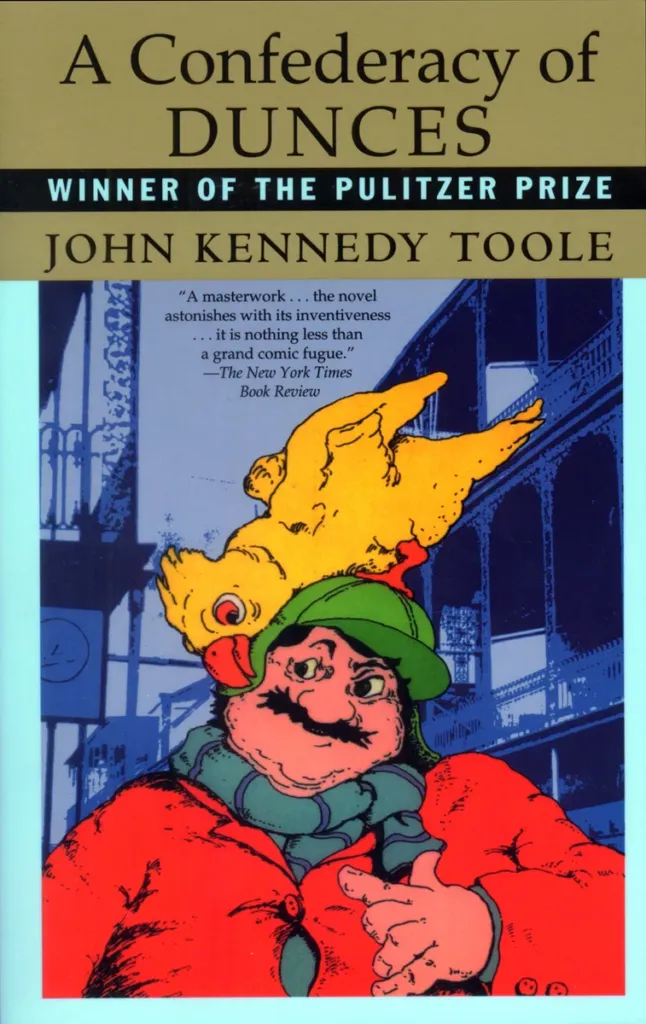
A Confederacy of Dunces
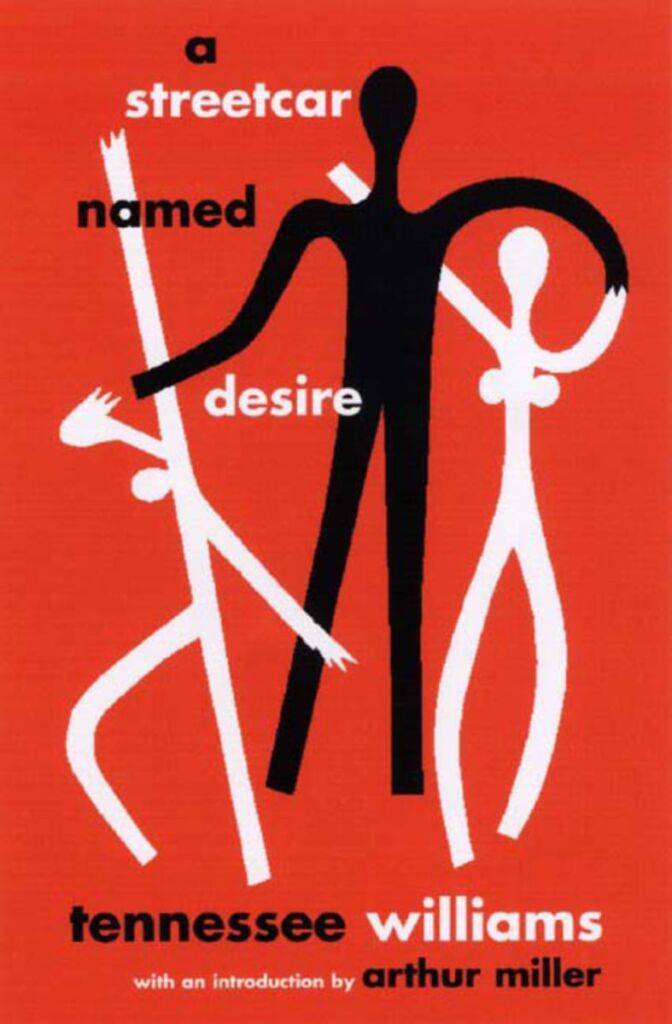
A Streetcar Named Desire

The Ones Who Don’t Say They Love You

Maurice Carlos Ruffin has an uncanny ability to reveal the hidden corners of a place we thought we knew. These perspectival, character-driven stories center on the margins and are deeply rooted in New Orleanian culture.

In “Beg Borrow Steal,” a boy relishes time spent helping his father find work after coming home from prison; in “Ghetto University,” a couple struggling financially turns to crime after hitting rock bottom; in “Before I Let Go,” a woman who’s been in NOLA for generations fights to keep her home; in “Fast Hands, Fast Feet,” an army vet and a runaway teen find companionship while sleeping under a bridge; in “Mercury Forges,” a flash fiction piece among several in the collection, a group of men hurriedly make their way to an elderly gentleman’s home, trying to reach him before the water from Hurricane Katrina does; and in the title story, a young man works the street corners of the French Quarter, trying to achieve a freedom not meant for him.

These stories are intimate invitations to hear, witness, and imagine lives at once regional but largely universal, and undeniably New Orleanian, written by a lifelong resident of New Orleans and one of our finest new writers.


More Adult, Non-Juvenile Books

  • Riley's poetry captures the essence of rural American life in the late 19th and early 20th centuries, and his works continue to be studied and recited to this day.
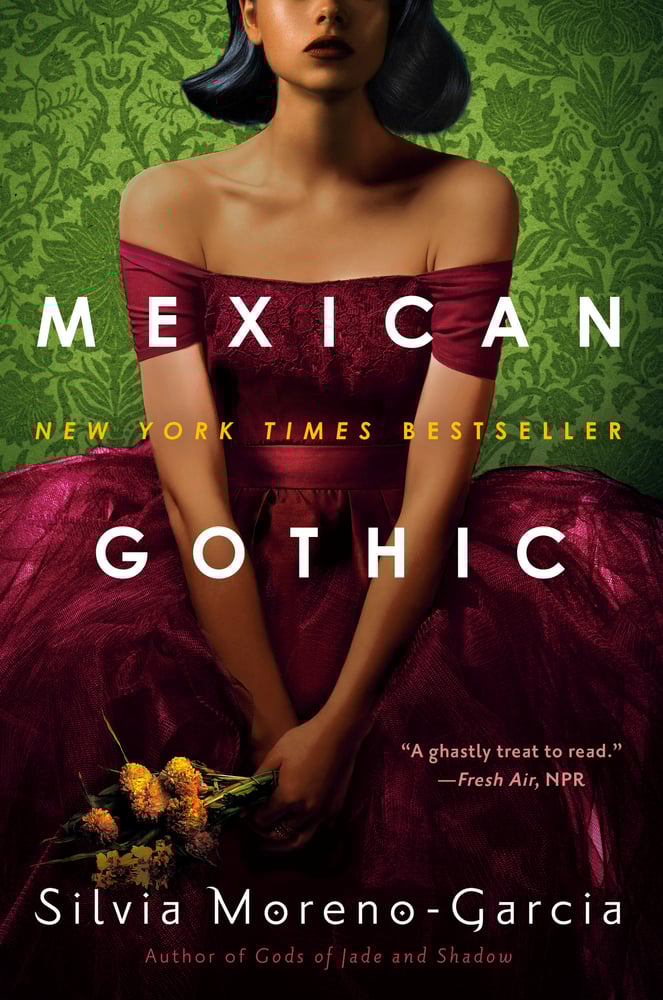
  • “Back then, when I was a young woman, there were still witches”: That was how Nana Alba always began the stories she told her great-granddaughter Minerva—stories that have stayed with Minerva all her life. Perhaps that’s why Minerva has become a graduate student focused on the history of horror literature and is researching the life of Beatrice Tremblay, an obscure author of macabre tales. In the course of assembling her thesis, Minerva uncovers information that reveals that Tremblay’s most famous novel, The Vanishing, was inspired by a true story: Decades earlier, during the Great Depression, Tremblay attended the same university where [...]
  • In this affecting narrative, a defining masterpiece by the "dean of Western writers" (The New York Times), Wallace Stegner portrays more than three decades in the life of the Mason family as they struggle to survive during the lean years of the early twentieth century.
  • The Blacker the Berry (1929), Wallace Thurman’s debut novel, broke new ground as an exploration of issues of “colorism,” intra-racial prejudice, and internalized racism in African American life.