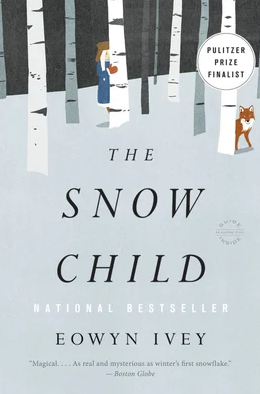
The Snow Child
WRECK: A Novel

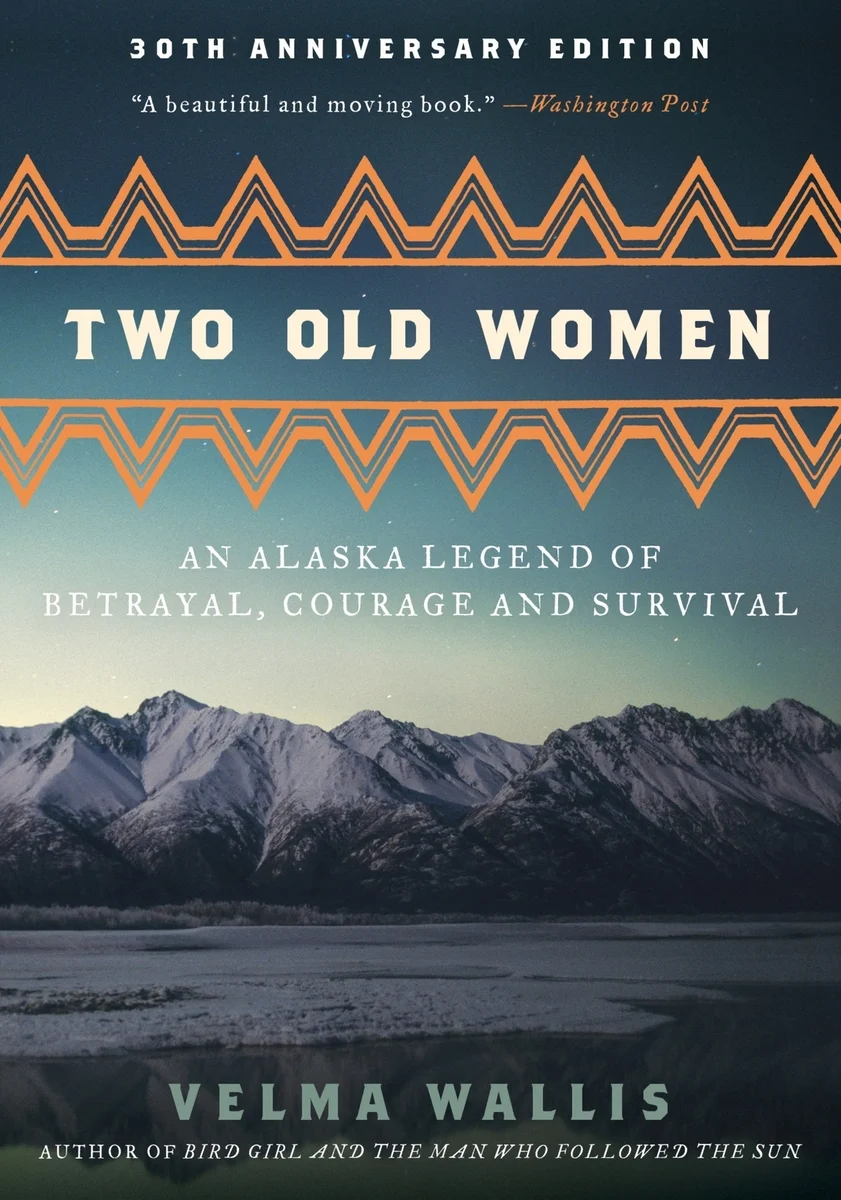
Two Old Women

Based on an Athabascan Indian legend passed along for many generations from mothers to daughters of the upper Yukon River Valley in Alaska, this is the suspenseful, shocking, ultimately inspirational tale of two old women abandoned by their tribe during a brutal winter famine.

Though these women have been known to complain more than contribute, they now must either survive on their own or die trying. In simple but vivid detail, Wallis depicts a landscape and way of life that are at once merciless and starkly beautiful. In her old women, she has created two heroines of steely determination whose story of betrayal, friendship, community, and forgiveness “speaks straight to the heart with clarity, sweetness, and wisdom” (Ursula K. Le Guin).
More Adult, Non-Juvenile Books

  • This Wild and Precious Life is a stunning journal featuring inspiring quotes from beloved poet Mary Oliver and delightful illustrations that illuminate her themes of wonder and nature. “What is it you plan to do with your one wild and precious life?” Simple, direct, and profoundly feeling, Mary Oliver touched countless readers with her tender, accessible verse, expressing her love for the physical world and the powerful bonds between all living things. Her poems deftly weave close observations of nature with an evergreen state of wonder, and her essays about the craft of writing are remarkable for their intelligent yet comprehensive advice. Oliver is [...]
  • A collection of poetry by Rita Dove.
  • Kate Shugak will go to the ends of the earth to solve one Alaskan family's epic mystery in this breathtaking novel from New York Times bestselling author Dana Stabenow.
  • To Free the Captives by Tracy K Smith
    In To Free the Captives, Tracy K. Smith offers a poignant manifesto that explores memory, family, and history while navigating the complexities of Black life in America. Through a deeply personal lens, she reflects on her family's past and the enduring strength of her ancestors, urging readers to confront the nation's oldest wounds and consider their collective responsibilities. Smith's lyrical narrative serves as a hopeful call for understanding and connection in a divided world.