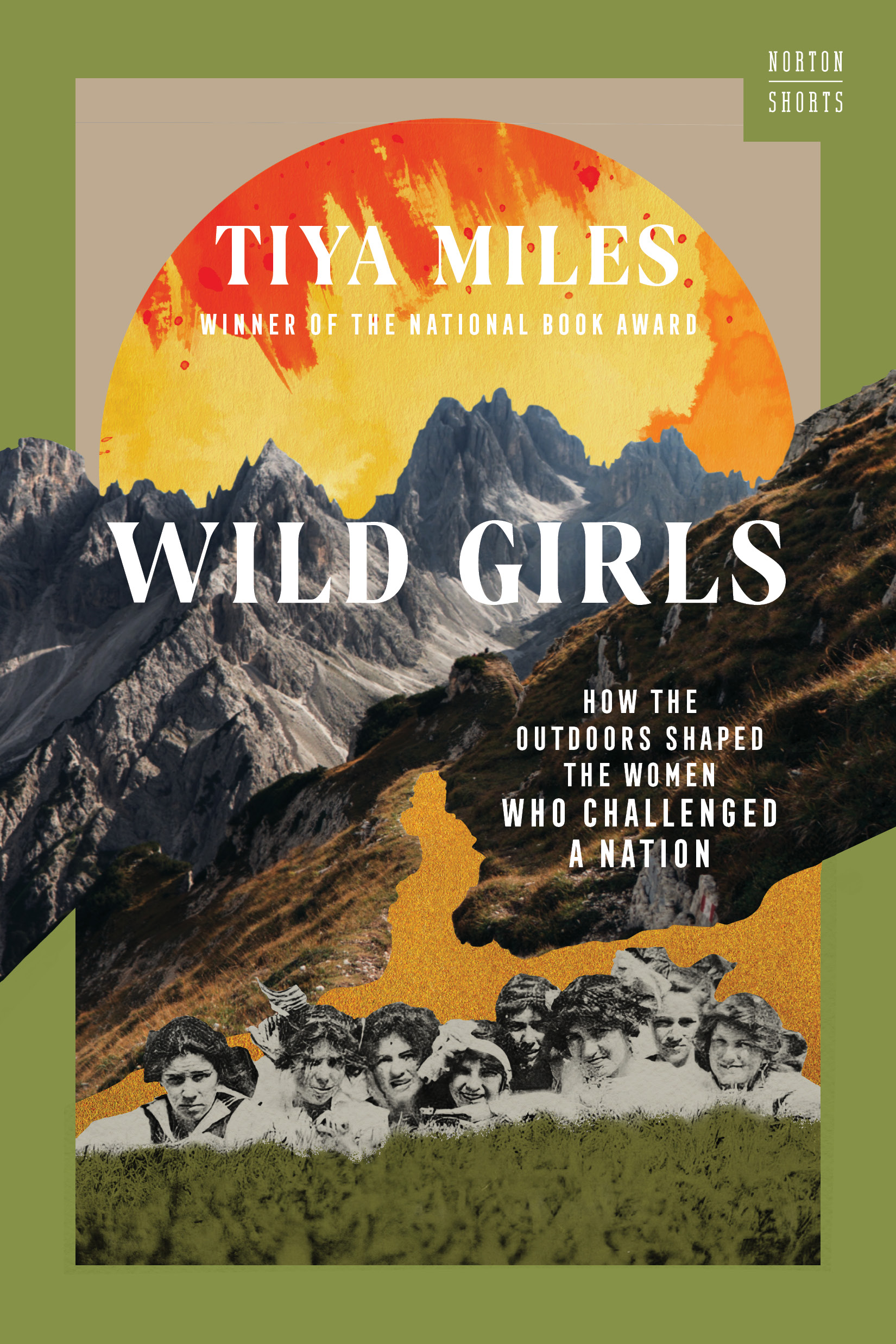
Wild Girls: How the Outdoors Shaped the Women Who Challenged A Nation
An award-winning historian shows how girls who found self-understanding in the natural world became women who changed America.
Harriet Tubman, forced to labor outdoors on a Maryland plantation, learned from the land a terrain for escape. Louisa May Alcott ran wild, eluding gendered expectations in New England. The Indigenous women’s basketball team from Fort Shaw, Montana, recaptured a sense of pride in physical prowess as they trounced the white teams of the 1904 World’s Fair. Celebrating women like these who acted on their confidence outdoors, Wild Girls brings new context to misunderstood icons like Sacagawea and Pocahontas, and to underappreciated figures like Native American activist writer Gertrude Bonnin, farmworkers’ champion Dolores Huerta, and labor and Civil Rights organizer Grace Lee Boggs.
This beautiful, meditative work of history puts girls of all races—and the landscapes they loved—at center stage and reveals the impact of the outdoors on women’s independence, resourcefulness, and vision. For these trailblazing women of the nineteenth and early twentieth centuries, navigating the woods, following the stars, playing sports, and taking to the streets in peaceful protest were not only joyful pursuits, but also techniques to resist assimilation, racism, and sexism. Lyrically written and full of archival discoveries, Wild Girls evokes landscapes as richly as the girls who roamed in them—and argues for equal access to outdoor spaces for young women of every race and class today.