

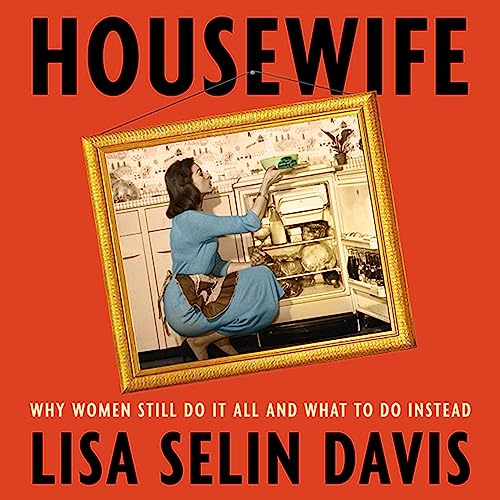
Housewife: Why Women Still Do It All and What to Do Instead
The notion of “housewife” evokes strong reactions. For some, it’s nostalgia for a bygone era, simpler and better times when men were breadwinners and women remained home with the kids. For others, it’s a sexist, oppressive stereotype of women’s work. Either way, housewife is a long outdated concept—or is it?
Lisa Selin Davis, known for her smart, viral, feminist, cultural takes, argues that the “breadwinner vs. homemaker” divide is a myth. She charts examples from prehistoric female hunters to working class housewives in the 1930s, from First Ladies to 21st century stay-at-home moms, on a search for answers to the problems of what is referred to as women’s work and motherhood. Davis discovers that women have been sold a lie about what families should be. Housewife unveils a truth: interdependence, rather than independence, is the American way.
The book is a clarion call for all women—married or single, mothers or childless—and for men, too, to push for liberation. In Housewife, Davis builds a case for systemic, cultural, and personal change, to encourage women to have the power to choose the best path for themselves.