

Fences
Red Paint: The Ancestral Autobiography of a Coast Salish Punk

No-No Boy

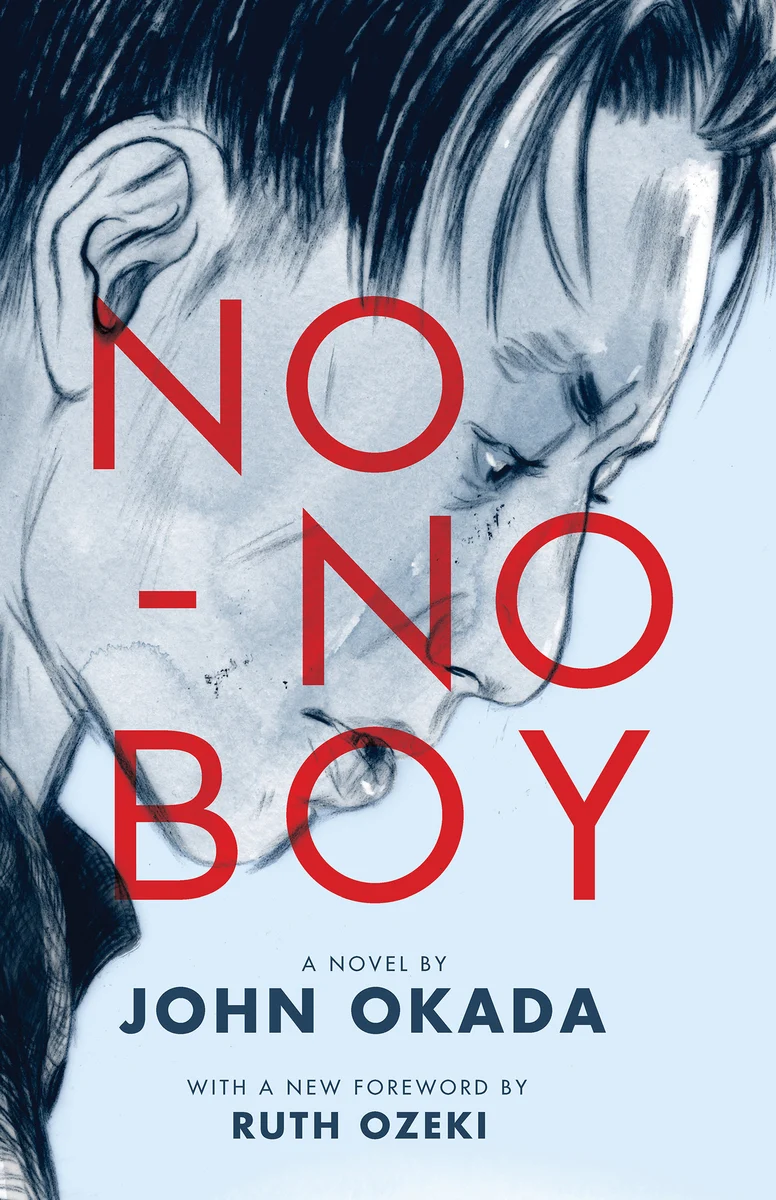
No-No Boy has the honor of being among the first of what has become an entire literary canon of Asian American literature,” writes novelist Ruth Ozeki in her new foreword. First published in 1957, No-No Boy was virtually ignored by a public eager to put World War II and the Japanese internment behind them. It was not until the mid-1970s that a new generation of Japanese American writers and scholars recognized the novel’s importance and popularized it as one of literature’s most powerful testaments to the Asian American experience.

No-No Boy tells the story of Ichiro Yamada, a fictional version of the real-life “no-no boys.” Yamada answered “no” twice in a compulsory government questionnaire as to whether he would serve in the armed forces and swear loyalty to the United States. Unwilling to pledge himself to the country that interned him and his family, Ichiro earns two years in prison and the hostility of his family and community when he returns home to Seattle. As Ozeki writes, Ichiro’s “obsessive, tormented” voice subverts Japanese postwar “model-minority” stereotypes, showing a fractured community and one man’s “threnody of guilt, rage, and blame as he tries to negotiate his reentry into a shattered world.”

The first edition of No-No Boy since 1979 presents this important work to new generations of readers.

More Adult Books

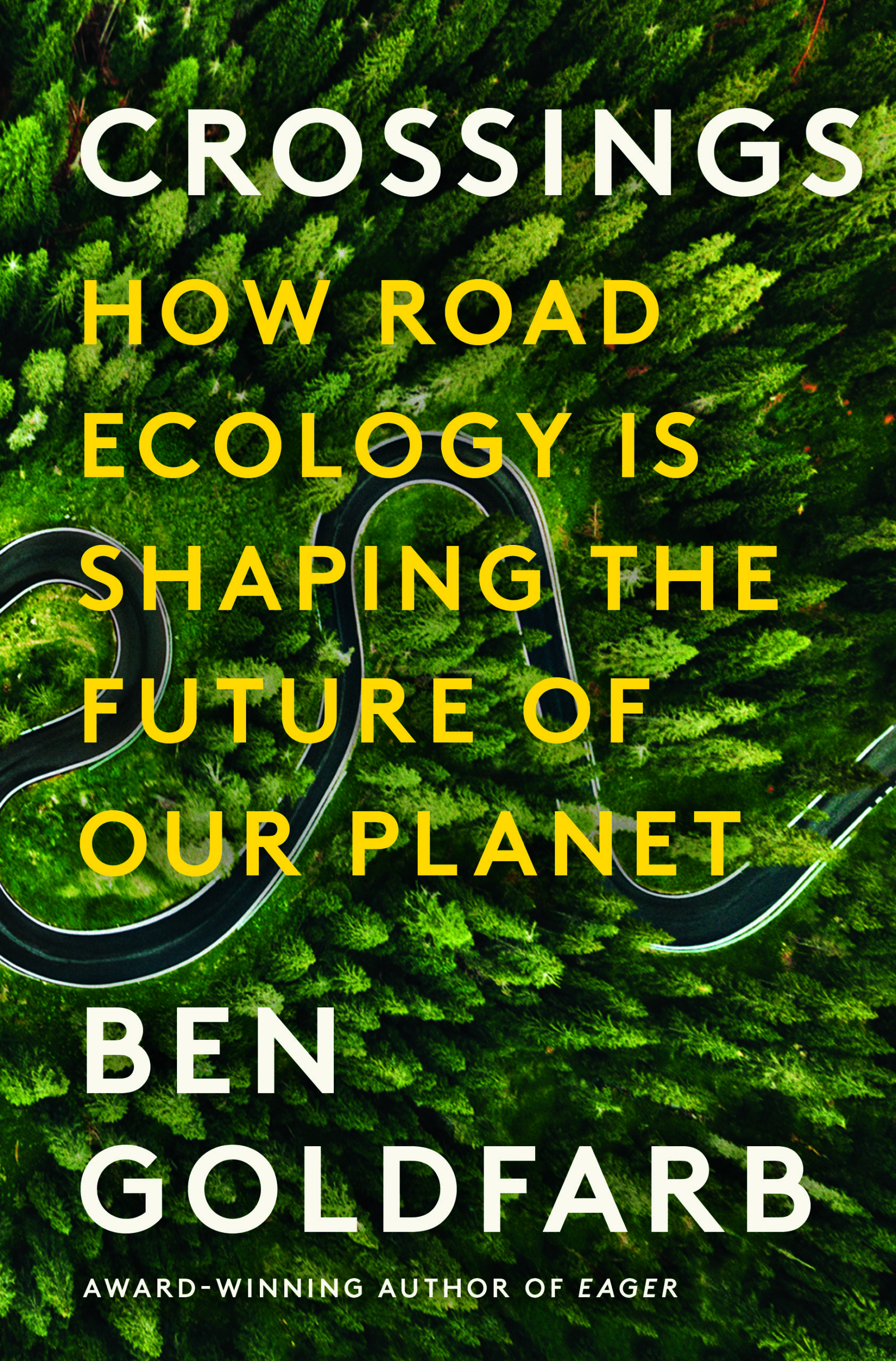
  • Environmental journalist Ben Goldfarb reveals the profound ecological impacts of roads, which stretch over 40 million miles across the globe. While often overlooked as mere infrastructure, these roadways pose significant threats to wildlife, resulting in the deaths of a million animals daily in the U.S. alone, and disrupting natural habitats in ways we are just beginning to understand.
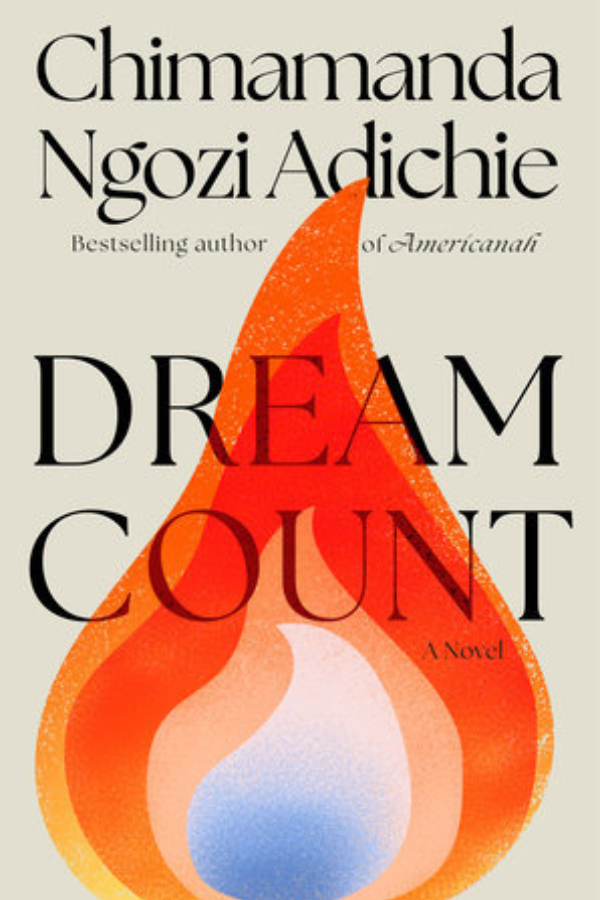
  • In Dream Count, Chimamanda Ngozi Adichie explores the lives of four women navigating love, choices, and regrets during the pandemic. Chiamaka, a Nigerian travel writer, reflects on her past relationships while her friends face their own struggles, revealing the complexities of happiness and self-awareness in a beautifully crafted narrative.
  • Frank Herbert’s classic masterpiece—a triumph of the imagination and one of the bestselling science fiction novels of all time.
  • In Shishmaref, Alaska, new seawalls are constructed while residents navigate the many practical and bureaucratic obstacles to moving their entire island village to higher ground. Farther south, inland hunters and fishermen set out to grow more of their own food–and to support the reintroduction of wood bison, an ancient species well suited to expected habitat changes. First Nations people in Canada team with conservationists to protect land for both local use and environmental resilience. In Early Warming, Alaskan Writer Laureate, Nancy Lord, takes a cutting-edge look at how communities in the North–where global warming is amplified and climate-change effects are most [...]