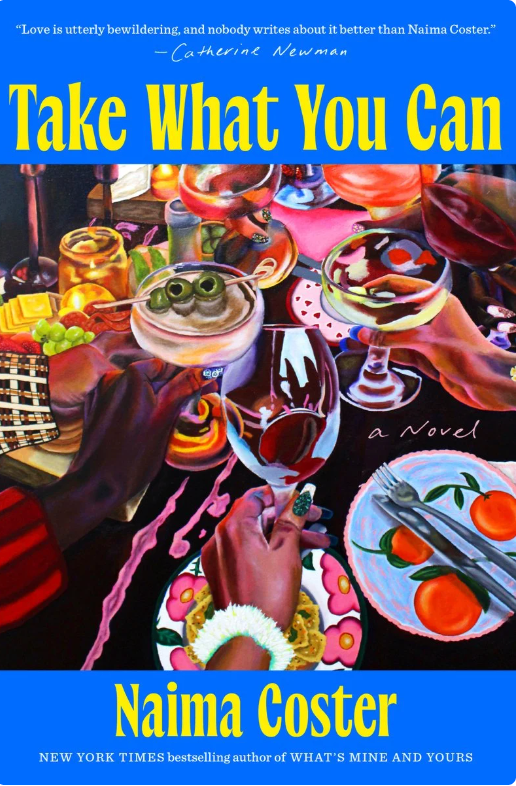
Take What You Can
Val and Milly fell in love with France at the same time they fell in love with each other and became immediate best friends. Then, they bonded as the only Black students on a study-abroad trip. Now they are in their thirties, each married and with a baby girl on the way. When Milly suggests Val move to New York so they can raise their daughters together after a decade apart, it’s a resounding yes.
Despite their excitement, the pair secretly wonders if their friendship has always worked best as a trio. On that first trip to France, these two motherless daughters were taken under the wing of an older woman named Helene. She showered them with money, love, and attention and showed them the possibilities of an independent and abundant future. But now, without Helene and her guidance, who are Milly and Val?
Milly, a successful influencer married to restaurant royalty, is occupied with her desire for freedom. Val, a brilliant journalist, is unsure whether she fits into Milly’s new world. The realities of class and social capital, of strained marriages and the demands of motherhood, serve as constant reminders of how far apart they’ve grown. And no matter how much they try to avoid it, everything comes back to the rift that began all those years ago in France. What they’ve long tried to bury may finally destroy their sisterhood.
Weaving between Brooklyn brownstones and the glittering beaches of southern France, Take What You Can is a dazzling novel exploring what it means to be a mother when you have none, a sister without blood ties, and a woman in pursuit of the life she wants. With her signature sharply observed prose, Naima Coster illustrates how to be—and to stay—someone’s person through all phases of life.