
Letters From a Farmer in Pennsylvania, to the Inhabitants of the British Colonies
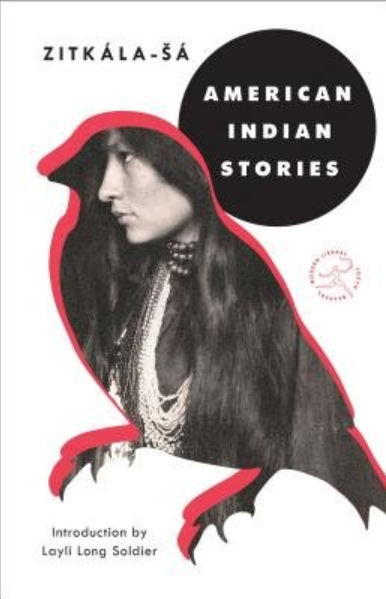
American Indian Stories

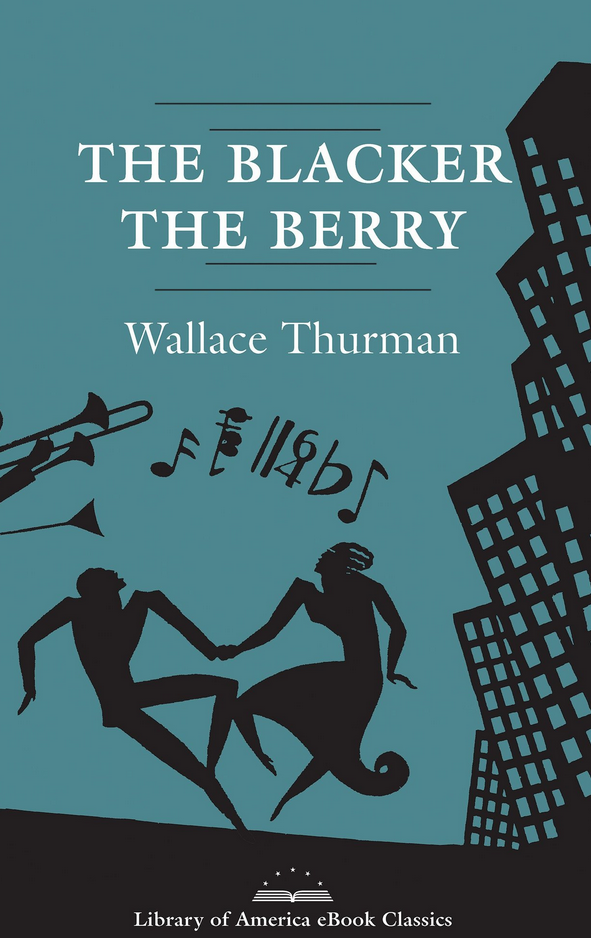
The Blacker the Berry: A Novel of Negro Life

The Blacker the Berry (1929), Wallace Thurman’s debut novel, broke new ground as an exploration of issues of “colorism,” intra-racial prejudice, and internalized racism in African American life. Its protagonist, the young Emma Lou Morgan, is simply “too dark” for a world in which every kind of advancement seems to require a light complexion. Seeking acceptance and opportunity, she moves––much like the dark-skinned young Thurman had, four years before the novel’s publication––from Idaho to California to New York. Harlem, the “city of surprises,” is in many ways the novel’s true subject, its low-down, licentious streets, glittering cabarets, and variegated cast of characters offering a rich backdrop for Emma Lou’s ambivalent, picaresque progress.
More Adult, Non-Juvenile Books

  • Winner of the 1987 American Book Award The Essential Etheridge Knight is a selection of the best work by one of the country’s most prominent and liveliest poets. It brings together poems from Knight’s previously published books and a section of new poems.
  • The Fault in Our Stars is insightful, bold, irreverent, and raw. It brilliantly explores the funny, thrilling, and tragic business of being alive and in love.
  • In The Golem of Brooklyn, Len Bronstein, an art teacher with little knowledge of Judaism, accidentally brings a golem to life after stealing clay and getting high. As this nine-foot-six, Yiddish-speaking creature learns about contemporary crises, including the rise of white nationalism, it embodies the weight of Jewish history and trauma, prompting profound questions about humanity and identity.
  • Discover the lyrical beauty of early American verse in "The Harp Of Delaware, Or, The Miscellaneous Poems Of The Milford Bard" by John Lofland. This collection presents a vibrant tapestry of 19th-century poetic expressions, reflecting the cultural and historical nuances of Delaware. Lofland, known as the Milford Bard, captures the essence of his time through evocative language and heartfelt themes.