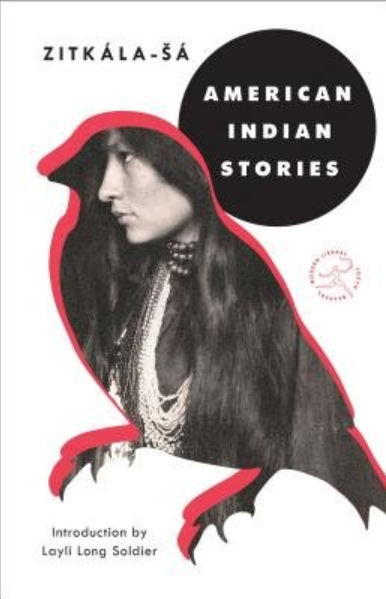
American Indian Stories
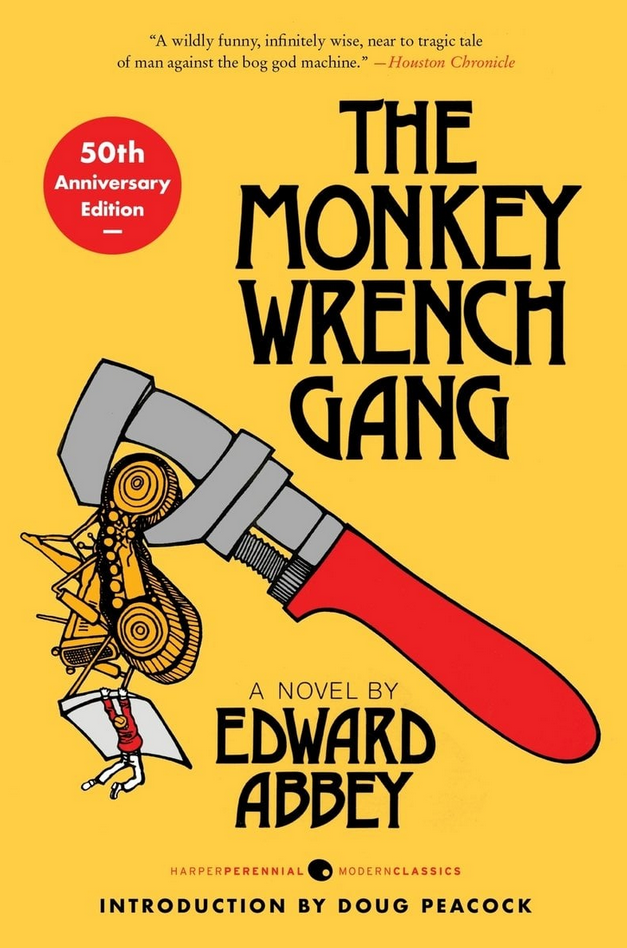
The Monkey Wrench Gang

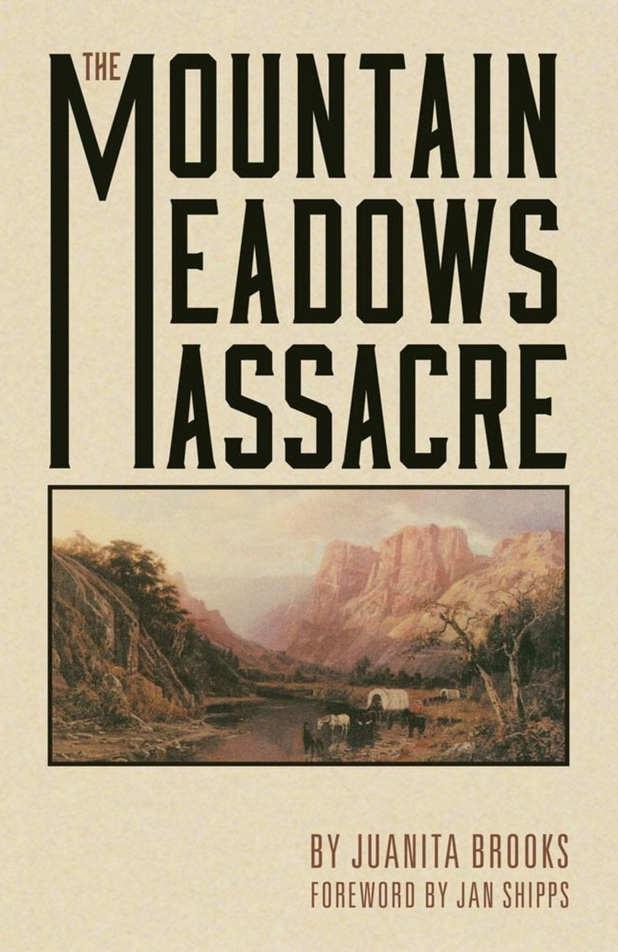
The Mountain Meadows Massacre

In the Fall of 1857, some 120 California-bound emigrants were killed in lonely Mountain Meadows in southern Utah; only eighteen young children were spared. The men on the ground after the bloody deed took an oath that they would never mention the event again, either in public or in private. The leaders of the Mormon church also counseled silence. The first report, soon after the massacre, described it as an Indian onslaught at which a few white men were present, only one of whom, John D. Lee, was actually named. With admirable scholarship, Mrs. Brooks has traced the background of conflict, analyzed the emotional climate at the time, pointed up the social and military organization in Utah, and revealed the forces which culminated in the great tragedy at Mountain Meadows. The result is a near-classic treatment which neither smears nor clears the participants as individuals. It portrays an atmosphere of war hysteria, whipped up by recitals of past persecutions and the vision of an approaching “army” coming to drive the Mormons from their homes.
More Adult, Non-Juvenile Books

  • Walt Longmire is back after the escapades of First Frost and encounters one of his most baffling cases in Wyoming’s brutal and unforgiving Red Desert. When Blair McGowan, the mail person with the longest postal route in the country of over three hundred mile a day, goes missing the question becomes—where do you look for her? The Postal Inspector for the State of Wyoming elicits Sheriff Longmire to mount an investigation into her disappearance and Walt does everything but mail it in; posing as a letter-carrier himself, the good sheriff follows her trail and finds himself enveloped in the intrigue of [...]
  • Mirroring the music of New Orleans, Kane's poems combine traditional form with improvisational flourishes. Rhythm & Booze charts her progress as she undertakes a number of journeys, from youth to experience, from blues bars to college classrooms, from city to country, from chaos to something approaching peace.
  • Hailed as “deeply felt” (New York Times), “a revelation” (Pacific Standard), and “the book on climate change and sea levels that was missing” (Chicago Tribune), Rising is both a highly original work of lyric reportage.