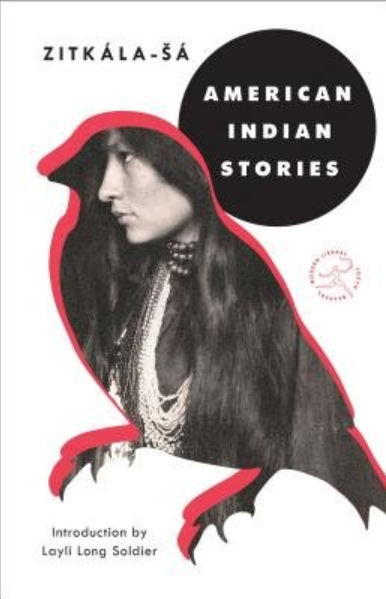
American Indian Stories
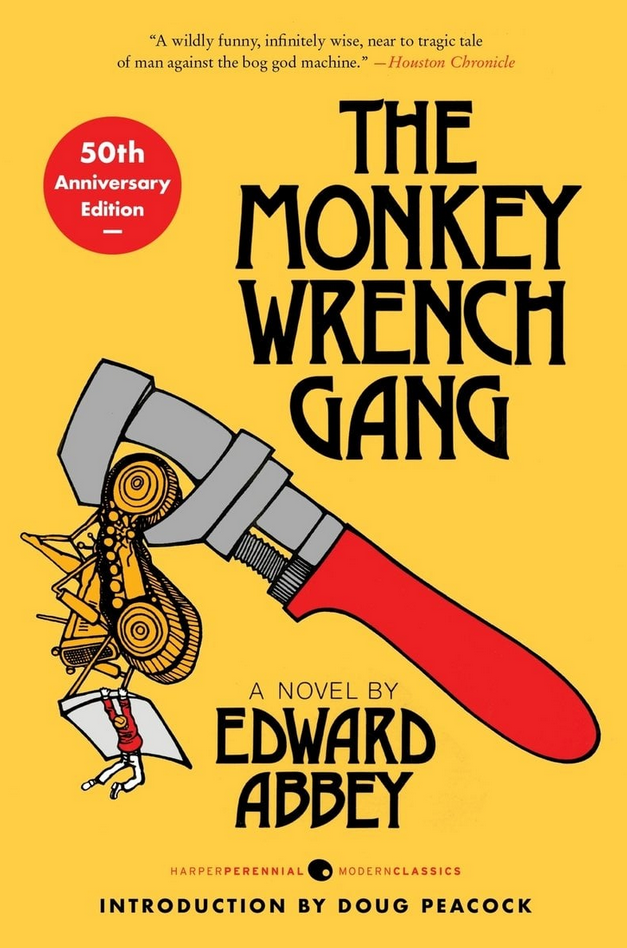
The Monkey Wrench Gang

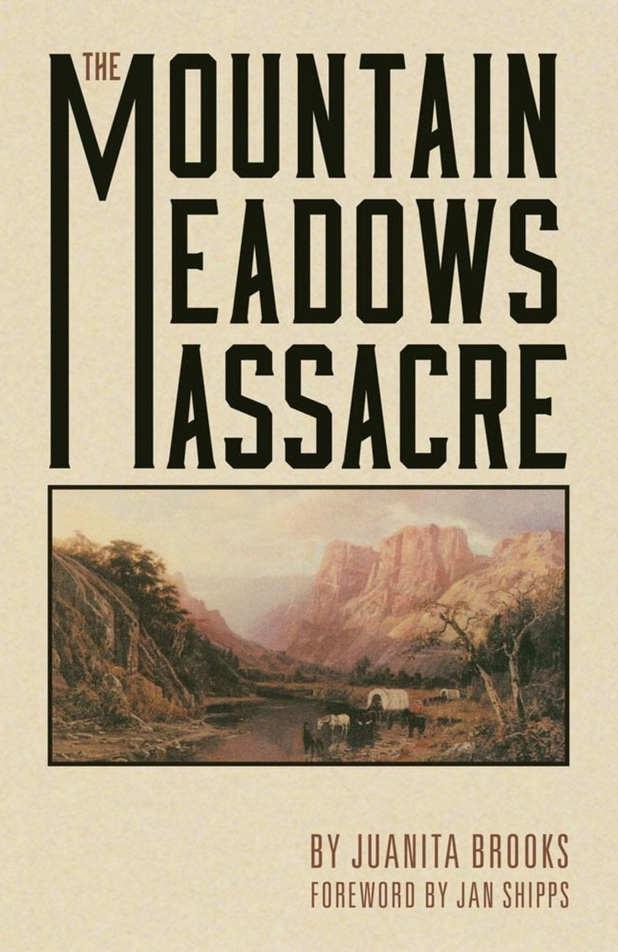
The Mountain Meadows Massacre

In the Fall of 1857, some 120 California-bound emigrants were killed in lonely Mountain Meadows in southern Utah; only eighteen young children were spared. The men on the ground after the bloody deed took an oath that they would never mention the event again, either in public or in private. The leaders of the Mormon church also counseled silence. The first report, soon after the massacre, described it as an Indian onslaught at which a few white men were present, only one of whom, John D. Lee, was actually named. With admirable scholarship, Mrs. Brooks has traced the background of conflict, analyzed the emotional climate at the time, pointed up the social and military organization in Utah, and revealed the forces which culminated in the great tragedy at Mountain Meadows. The result is a near-classic treatment which neither smears nor clears the participants as individuals. It portrays an atmosphere of war hysteria, whipped up by recitals of past persecutions and the vision of an approaching “army” coming to drive the Mormons from their homes.
More Adult, Non-Juvenile Books

  • Riley's poetry captures the essence of rural American life in the late 19th and early 20th centuries, and his works continue to be studied and recited to this day.
  • “Back then, when I was a young woman, there were still witches”: That was how Nana Alba always began the stories she told her great-granddaughter Minerva—stories that have stayed with Minerva all her life. Perhaps that’s why Minerva has become a graduate student focused on the history of horror literature and is researching the life of Beatrice Tremblay, an obscure author of macabre tales. In the course of assembling her thesis, Minerva uncovers information that reveals that Tremblay’s most famous novel, The Vanishing, was inspired by a true story: Decades earlier, during the Great Depression, Tremblay attended the same university where [...]
  • In this affecting narrative, a defining masterpiece by the "dean of Western writers" (The New York Times), Wallace Stegner portrays more than three decades in the life of the Mason family as they struggle to survive during the lean years of the early twentieth century.
  • The Blacker the Berry (1929), Wallace Thurman’s debut novel, broke new ground as an exploration of issues of “colorism,” intra-racial prejudice, and internalized racism in African American life.