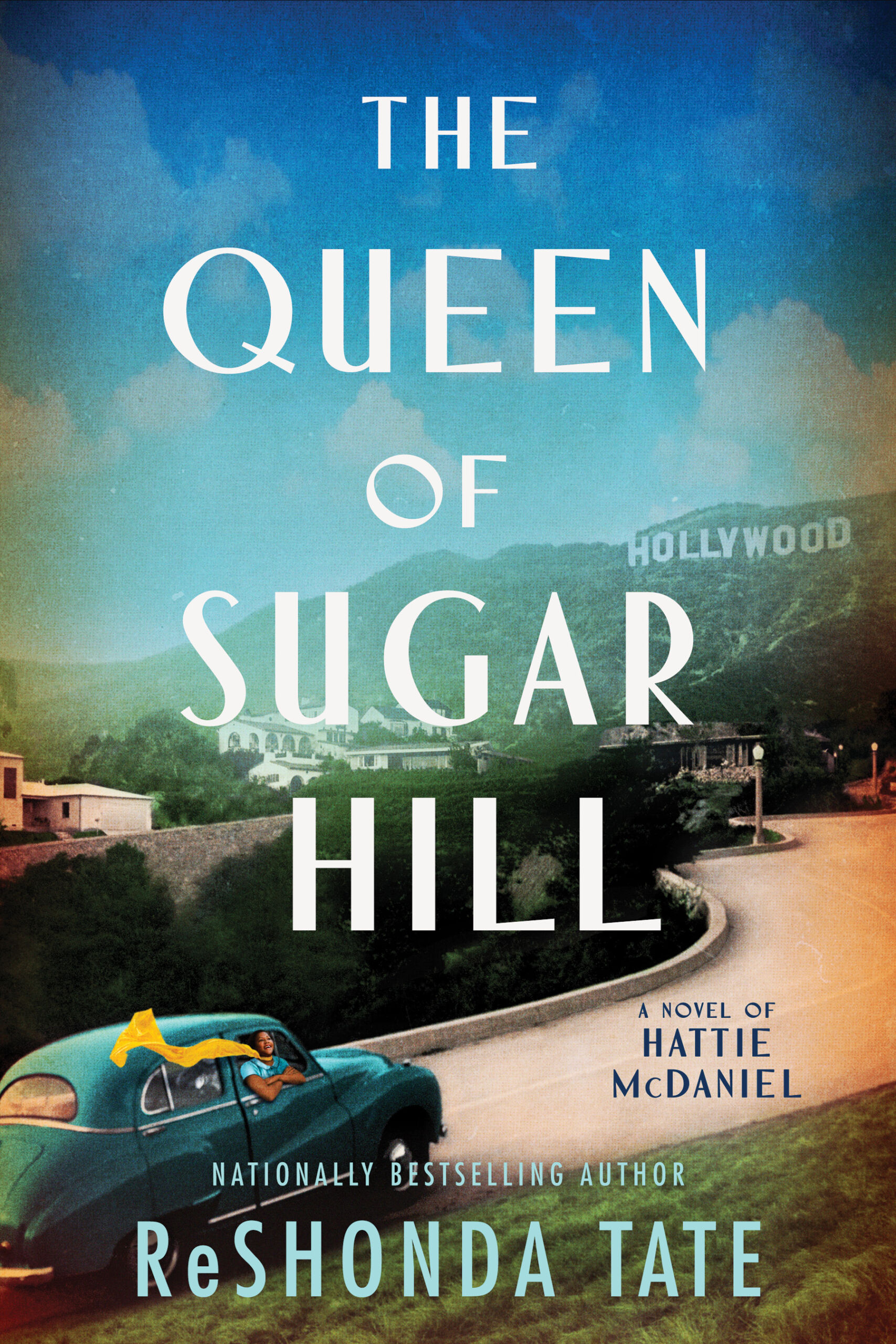
The Queen of Sugar Hill
It was supposed to be the highlight of her career, the pinnacle for which she’d worked all her life. And as Hattie McDaniel took the stage in 1940 to claim an honor that would make her the first African-American woman to win an Academy Award, she tearfully took her place in history. Between personal triumphs and tragedies, heartbreaking losses, and severe setbacks, this historic night of winning best supporting actress for her role as the sassy Mammy in the controversial movie Gone With the Wind was going to be life-changing. Or so she thought.
Months after winning the award, not only did the Oscar curse set in where Hattie couldn’t find work, but she found herself thrust in the middle of two worlds—Black and White—and not being welcomed in either. Whites only saw her as Mammy and Blacks detested the demeaning portrayal. As the NAACP waged an all-out war against Hattie and actors like her, the emotionally conflicted actor found herself struggling daily.
Through it all, Hattie continued her fight to pave a path for other Negro actors, while focusing on war efforts, fighting housing discrimination, and navigating four failed marriages. Luckily, she had a core group of friends to help her out—from Clark Gable to Louise Beavers to Ruby Berkley Goodwin and Dorothy Dandridge.
The Queen of Sugar Hill brings to life the powerful story of one woman who was driven by many passions—ambition, love, sex, family, friendship, and equality. In re-creating Hattie’s story, ReShonda Tate delivers an unforgettable novel of resilience, dedication, and determination—about what it takes to achieve your dreams—even when everything—and everyone—is against you.