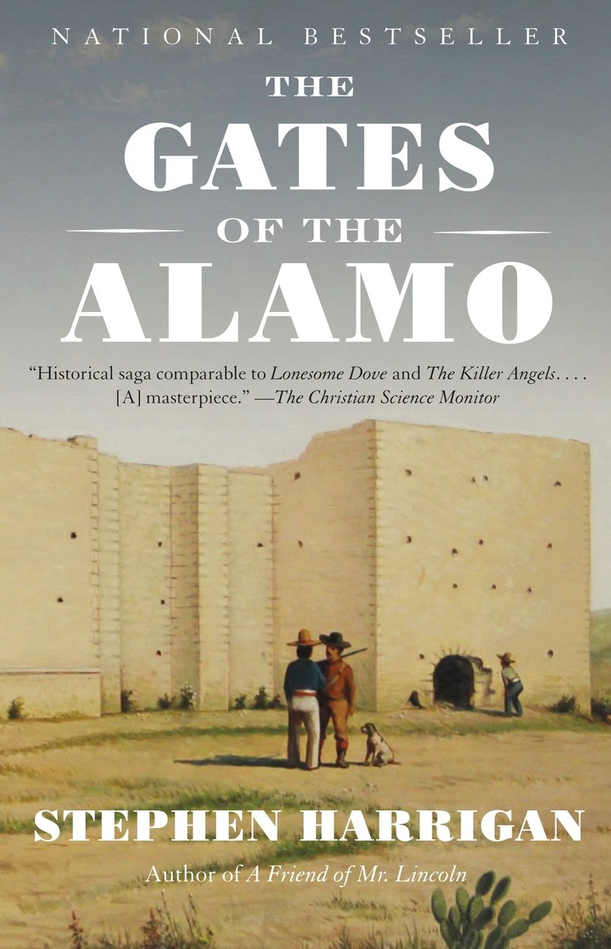

The Gates of the Alamo
Last Dance on the Starlight Pier

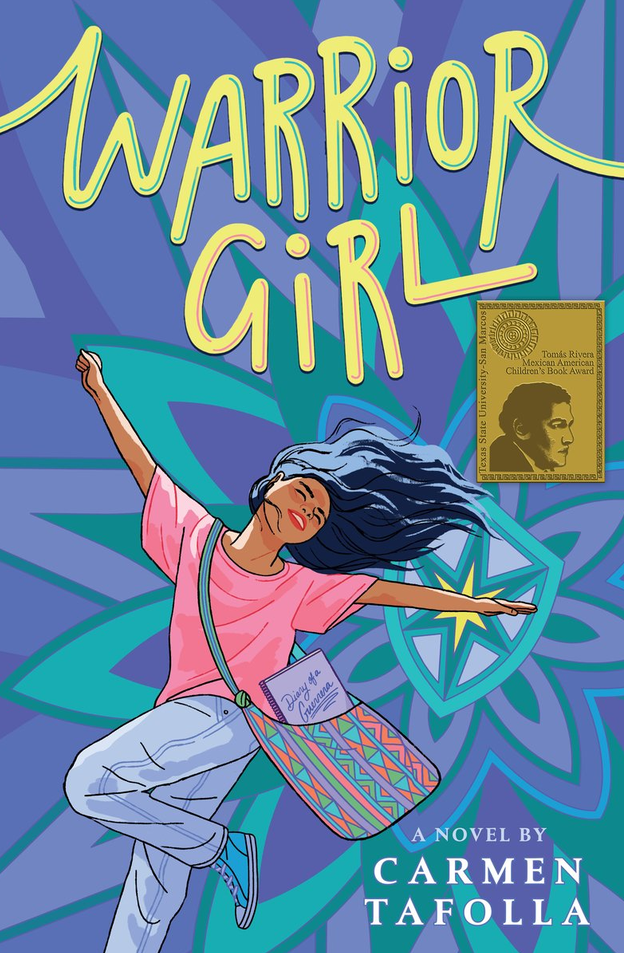
Warrior Girl

Celina and her family are bilingual and follow both Mexican and American traditions. Celina revels in her Mexican heritage, but once she starts school it feels like the world wants her to erase that part of her identity. Fortunately, she’s got an army of family and three fabulous new friends behind her to fight the ignorance. But it’s her Gramma who’s her biggest inspiration, encouraging Celina to build a shield of joy around herself. Because when you’re celebrating, when you find a reason to sing or dance or paint or play or laugh or write, they haven’t taken everything away from you. Of course, it’s not possible to stay in celebration mode when things get dire–like when her dad’s deported and a pandemic hits–but if there is anything Celina’s sure of, it’s that she’ll always live up to her last name: Guerrera–woman warrior–and that she will use her voice and writing talents to make the world a more beautiful place where all cultures are celebrated.
More Adult, Non-Juvenile Books

  • “An enthralling tale of a secret resistance movement run by Black women in pre-Civil War New Orleans.”—Time
  • Riley's poetry captures the essence of rural American life in the late 19th and early 20th centuries, and his works continue to be studied and recited to this day.
  • “Back then, when I was a young woman, there were still witches”: That was how Nana Alba always began the stories she told her great-granddaughter Minerva—stories that have stayed with Minerva all her life. Perhaps that’s why Minerva has become a graduate student focused on the history of horror literature and is researching the life of Beatrice Tremblay, an obscure author of macabre tales. In the course of assembling her thesis, Minerva uncovers information that reveals that Tremblay’s most famous novel, The Vanishing, was inspired by a true story: Decades earlier, during the Great Depression, Tremblay attended the same university where [...]
  • In this affecting narrative, a defining masterpiece by the "dean of Western writers" (The New York Times), Wallace Stegner portrays more than three decades in the life of the Mason family as they struggle to survive during the lean years of the early twentieth century.